Grinding Ball and Coal Mill Rings: Essential Components in Mineral Processing
The mining and aggregate industry relies heavily on efficient grinding equipment to process raw materials like coal, limestone, and ores. Among the critical components in coal mills and grinding systems are grinding balls and mill rings, which play a pivotal role in pulverizing materials to the desired fineness for combustion or further processing.
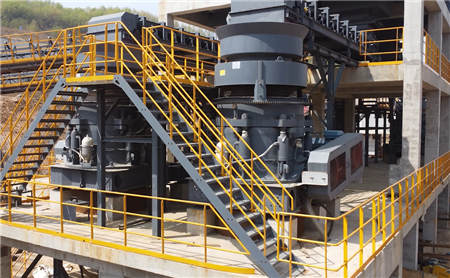
Coal-fired power plants and cement production facilities depend on robust grinding systems to achieve optimal fuel efficiency and product quality. Vertical roller mills (VRMs) and ball mills are commonly used, with grinding media (balls) and mill rings (or races) forming the core of the crushing mechanism. These components endure extreme abrasion, impact, and thermal stress, necessitating high wear resistance and durability.
1. Material Composition: High-chromium cast iron or forged steel is typically used for grinding balls, offering hardness (HRC 58–65) and fracture resistance. Mill rings are often made from alloy steel or composite materials to withstand prolonged friction.
2. Design Optimization: Modern designs focus on even wear distribution, reducing replacement frequency. Segmented mill rings simplify maintenance, while precision-balanced grinding balls minimize mill vibration.
3. Performance Metrics: Key indicators include wear rate (grams per ton of material processed), service life, and impact toughness.
A: Replacement intervals depend on material hardness and operational hours, typically every 2–6 months for high-abrasion environments.
A: Improper alignment, excessive feed size, or inadequate lubrication accelerates wear.
A: Yes, but it must meet stringent hardness and impact standards to avoid cracking.
A coal-fired plant in Indonesia upgraded its mill rings to high-chrome alloy variants, extending service life by 40% and reducing downtime by 15%. The solution involved laser-clad reinforcement on ring surfaces to combat erosion from high-sulfur coal.
Grinding balls and mill rings are unsung heroes in mineral processing, directly impacting operational efficiency and cost. Advances in material science and design continue to push the boundaries of wear resistance, ensuring sustainable performance in harsh environments. For optimal results, regular inspection and adherence to manufacturer guidelines are crucial.

