The Evolution of Crushing and Screening Equipment in the Aggregate Industry
The aggregate industry plays a pivotal role in global infrastructure development, supplying essential materials like sand, gravel, and crushed stone for construction, roads, and concrete production. Central to this sector are crushing and screening machines, which have evolved significantly to meet increasing demands for efficiency, sustainability, and precision.
Rapid urbanization and infrastructure projects worldwide have driven the need for high-quality aggregates. Traditional mining methods are being replaced by advanced crushing and screening technologies that optimize production while reducing environmental impact. Modern equipment focuses on energy efficiency, automation, and adaptability to diverse raw materials, from hard rock to recycled concrete.
1. Jaw Crushers: Ideal for primary crushing, these machines handle large feed sizes with high reduction ratios. Innovations include hydraulic adjustment systems and wear-resistant liners.
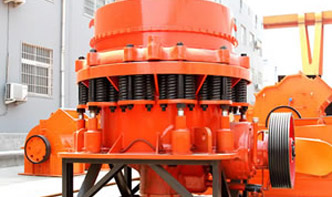
2. Cone Crushers: Used for secondary/tertiary crushing, they offer fine-tuning capabilities for producing uniformly shaped aggregates.
3. Impact Crushers: Perfect for producing cubical-shaped sand and gravel, especially in recycling applications.
4. Vibrating Screens: Critical for grading materials by size, with advancements in modular designs and smart screening technology.
5. Sand Making Machines (VSI): Transform coarse aggregates into high-quality manufactured sand, addressing natural sand shortages.
Q: How do I maintain crusher wear parts?
A: Regular inspection of liners, mantles, and blow bars is essential. Use OEM parts for longevity.
Q: Can recycled concrete be processed?
A: Yes—impact crushers are ideal for recycling demolition waste into reusable aggregates.
Q: What’s the lifespan of a typical crushing plant?
A: With proper maintenance, 15–20 years; key components may need replacement sooner.
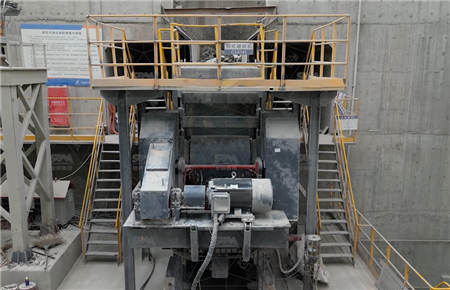
A quarry in Texas upgraded to a hybrid mobile crushing plant, achieving 30% higher output while cutting fuel consumption by 20%. The system’s automated controls allowed real-time adjustments to material flow, reducing bottlenecks.
The industry is shifting toward electric-powered equipment and AI-driven predictive maintenance to lower carbon footprints and operational costs. Meanwhile, stricter environmental regulations are pushing manufacturers to develop zero-waste systems.
From jaw crushers to sand makers, the aggregate industry’s machinery continues to redefine productivity standards—ensuring sustainable growth for decades to come.

