The Evolution and Importance of Crushing Plants in the Aggregate Industry
The aggregate industry plays a pivotal role in global infrastructure development, supplying materials like sand, gravel, and crushed stone for construction, roads, and concrete production. At the heart of this industry are crushing plants, which transform raw rock into usable aggregates through a series of mechanical processes.
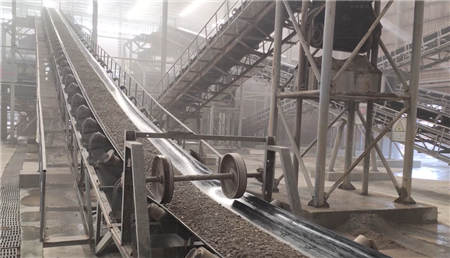
A modern crushing plant integrates several key components:
1. Primary Crusher: Typically a jaw or gyratory crusher, designed to handle large rocks (up to 1.5 meters in diameter).
2. Secondary/Tertiary Crushers: Cone or impact crushers further reduce material size for finer grading.
3. Screening Equipment: Vibrating screens separate aggregates by size, ensuring product uniformity.
4. Conveyors & Feeders: Transport material efficiently between stages.
5. Control Systems: Automated PLCs optimize performance and monitor wear.
Advanced plants may include sand-making machines (VSI crushers) for producing high-quality manufactured sand, addressing natural sand shortages.

1. What’s the difference between fixed and mobile crushing plants?
Fixed plants suit large-scale, long-term projects, while mobile units offer flexibility for remote sites or temporary operations.
2. How to choose the right crusher?
Consider feed size, hardness (e.g., granite vs. limestone), and desired output (e.g., coarse aggregate vs. fine sand).
3. What are common maintenance challenges?
Wear parts (liners, blow bars) require regular replacement; proper lubrication and alignment are critical.
A limestone quarry in Texas upgraded to a 500-tph crushing plant with a jaw crusher (primary), cone crusher (secondary), and VSI for shaping fines. The result: a 30% increase in production efficiency and consistent 0-5mm sand for concrete mixes.
Crushing plants are the backbone of the aggregate sector, evolving with technology to meet demands for efficiency and sustainability. Whether for highways or high-rises, their role in shaping modern infrastructure remains indispensable.

