The Role of Crushed Limestone in Modern Construction and the Equipment Behind It
The global construction industry relies heavily on high-quality aggregates, with crushed limestone being a cornerstone material due to its durability, versatility, and cost-effectiveness. As urbanization accelerates, the demand for crushed stone—particularly limestone—has surged, driving innovations in crushing and sand-making equipment.
Industry Background
Limestone, a sedimentary rock composed primarily of calcium carbonate, is widely used in concrete production, road base layers, and architectural applications. Its crushing process transforms raw limestone into graded aggregates (e.g., 0-5mm, 5-20mm) essential for structural integrity. The rise of infrastructure projects worldwide has intensified the need for efficient crushing solutions that balance output quality, energy efficiency, and environmental compliance.
Core Equipment: Crushing and Sand-Making Machines
1. Jaw Crushers: Primary crushing units that break large limestone blocks into manageable sizes (150-300mm). Ideal for high-capacity operations.
2. Impact Crushers: Secondary crushers producing cubical aggregates by striking limestone with high-speed rotors. Suited for medium-hardness materials.
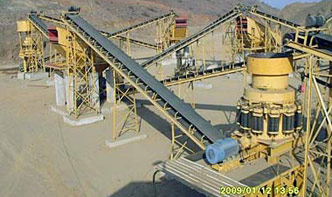
3. Cone Crushers: Precision machines for tertiary crushing, ensuring uniform particle size (≤30mm) with low wear costs.
4. Sand Makers (VSI Crushers): Transform crushed limestone into artificial sand (0-5mm), critical for concrete mixes where natural sand is scarce.
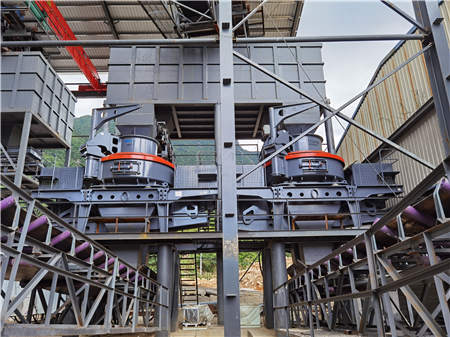
Modern designs prioritize automation (e.g., IoT-enabled monitoring) and dust suppression to meet environmental standards like EPA Tier 4 emissions.
FAQ Section
A: Limestone offers better workability in mixing, lower abrasion on equipment, and often lower transport costs due to wider geographic availability.
A: Use wet crushing systems or install bag filters/VSI crushers with enclosed chambers.
Engineering Case Study
A Texas-based quarry upgraded to a VSI crusher for limestone sand production, achieving:
Conclusion
Crushed limestone’s role in sustainable construction hinges on advanced crushing technology. Investing in the right equipment—paired with process optimization—ensures profitability while meeting evolving industry demands for quality and eco-efficiency.

