The Evolution of Grinding Machines in the Aggregate and Sand Production Industry
The aggregate and sand production industry relies heavily on grinding machines to process raw materials into high-quality sand, gravel, and crushed stone for construction and infrastructure projects. Among the most critical equipment are Grinding-Type Crushers (GTC), which are designed to reduce large rocks into finer particles efficiently.
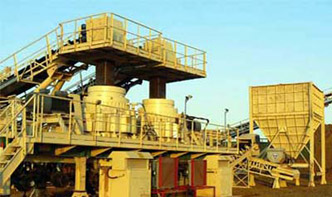
1. Jaw Crushers – Primary crushers that use compressive force to break down large rocks. Ideal for hard and abrasive materials.
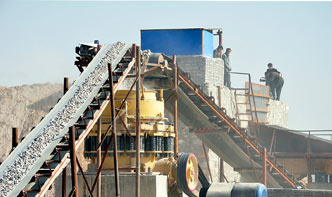
2. Cone Crushers – Secondary or tertiary crushers that crush materials between a rotating mantle and a concave bowl. Suitable for medium to hard rocks.
3. Impact Crushers (HSI/VSI) – Use high-speed impact to fracture rocks, producing cubical-shaped aggregates. Vertical Shaft Impactors (VSI) are particularly effective for sand manufacturing.
4. Hammer Mills – Utilize rotating hammers to pulverize softer materials like limestone and coal.
5. Roll Crushers – Employ two counter-rotating rollers to crush materials with low abrasiveness, such as clay or coal.
Q: What’s the difference between primary and secondary crushing?
A: Primary crushers (jaw/gyratory) handle raw feed, while secondary/tertiary crushers (cone/HSI) refine the material further for specific gradations.
Q: How does a VSI improve sand quality?
A: By accelerating rocks at high speed against anvils, VSIs produce well-shaped, fine aggregates ideal for concrete mixes.
A quarry in Texas upgraded from traditional jaw-cone setups to a VSI-based system, improving sand yield by 30% while reducing flakiness in final products—key for high-strength concrete applications.
Choosing the right GTC grinding machine depends on material properties, desired output, and operational efficiency demands. Innovations like hybrid crushers and automated wear monitoring continue to shape the future of aggregate processing, ensuring sustainable and cost-effective production methods worldwide.

