Feldspar Processing Methodology and Its Role in the Aggregate Industry
Feldspar, a crucial raw material in ceramics, glass, and construction, requires specialized processing to meet industrial standards. The methodology involves crushing, grinding, classification, and sometimes flotation or magnetic separation to remove impurities like iron oxides. This process aligns closely with the broader aggregate industry, where efficient mineral extraction and size reduction are paramount.
The global demand for high-quality aggregates—driven by infrastructure development and urbanization—has intensified the need for advanced processing equipment. Feldspar, often co-processed with granite or quartz, shares similarities with conventional sand and gravel operations. Modern plants prioritize energy efficiency, minimal environmental impact, and precise particle size control.
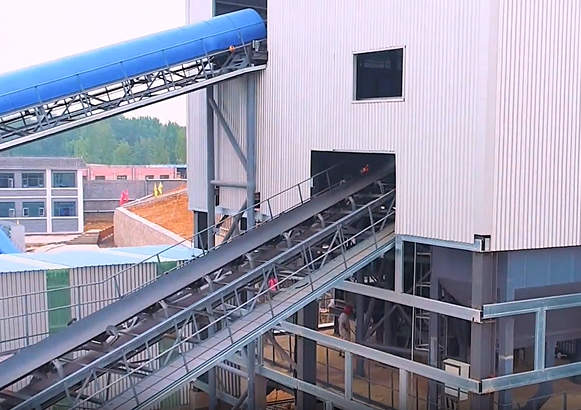
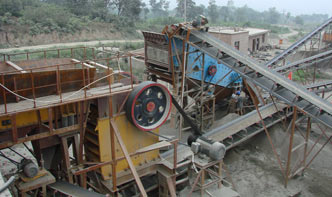
1. Primary Crushing: Jaw crushers or gyratory crushers break large feldspar chunks (<1m) into smaller fragments (100–200mm).
2. Secondary/Tertiary Crushing: Cone crushers or impact crushers further reduce particles to 10–30mm for grinding feed.
3. Grinding: Ball mills or vertical roller mills pulverize feldspar into fine powders (45–150µm), critical for ceramic/glass applications.
4. Classification: Air classifiers or vibrating screens separate particles by size; hydrocyclones may remove clay impurities.
5. Purification: Magnetic separators eliminate iron contaminants, while froth flotation isolates feldspar from quartz.
Q1: Can feldspar processing equipment handle granite or basalt?
Yes—most crushers and mills are adaptable but may require adjustments for hardness variations (e.g., basalt > feldspar).
Q2: How is iron contamination minimized?
High-intensity magnetic separators (15,000+ Gauss) are used post-grinding; stainless-steel contact parts reduce secondary contamination.
Q3: What’s the typical production capacity for feldspar plants?
Mid-scale operations process 50–200 tons/hour; large facilities exceed 500 tons/hour with multi-stage circuits.
A feldspar producer in Aydın combined dry jaw/cone crushing with wet ball milling and flotation to achieve 99% purity. The plant reduced water usage by 40% via closed-loop recycling—a model for arid-region sustainability.
Feldspar processing mirrors aggregate industry trends: automation, modular designs, and eco-efficiency dominate innovation. Cross-industry lessons—such as dust suppression from quarrying or classifier optimization—can enhance both sectors’ profitability and compliance.

