The Essential Role of Basalt Crushers in Modern Quarry Operations
The aggregates industry is a cornerstone of global infrastructure development, supplying materials for construction, roads, and concrete production. Among the various rock types processed, basalt stands out for its durability and versatility. Basalt crushers, such as those offered by QuarryCrusher, play a pivotal role in transforming raw basalt into high-quality aggregates for diverse applications.
Basalt is an igneous rock with exceptional hardness and abrasion resistance, making it ideal for high-strength concrete and asphalt mixes. However, its dense structure demands robust crushing equipment to achieve desired particle sizes efficiently. Modern quarries rely on advanced jaw crushers, cone crushers, and impact crushers to process basalt while minimizing wear and energy consumption.
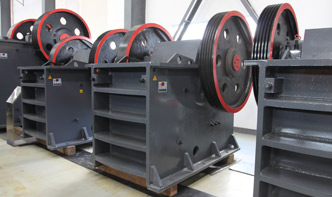
1. High Crushing Efficiency: Primary jaw crushers handle large basalt blocks, while secondary cone crushers refine the material into uniform sizes.
2. Wear-Resistant Components: Manganese steel liners and hardened blow bars extend equipment lifespan under abrasive conditions.
3. Automation Integration: Smart systems monitor throughput and adjust settings in real time to optimize production.
A: A combination of jaw + cone crushers is recommended for balanced output and particle shape control.
A: Use water spray systems or enclosed crushing chambers with dust suppression filters.
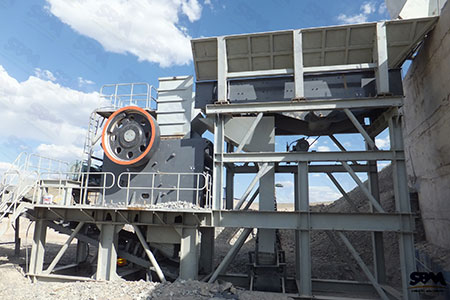
A quarry in Texas upgraded to a QuarryCrusher basalt crushing line, achieving 300 TPH output with <5% oversize material. The setup included a vibrating feeder, JC series jaw crusher, and multi-cylinder hydraulic cone crusher, reducing downtime by 30% compared to traditional setups.
Investing in purpose-built basalt crushers ensures long-term profitability by improving yield and reducing operational costs. As infrastructure demands grow, optimizing crushing processes remains critical for sustainable quarry management.

