The Growing Demand for Conveyor Belts in the UAE’s Aggregates Industry
The United Arab Emirates (UAE) has witnessed rapid infrastructure development, driving demand for high-quality sand and aggregates. As a key component in crushing and screening plants, conveyor belts play a critical role in the efficient movement of raw materials and finished products. The UAE’s harsh desert environment and large-scale projects, such as Dubai Expo 2020 and NEOM, further emphasize the need for durable, high-performance conveyor systems.
1. Durability: Designed to withstand abrasive materials like limestone and granite, conveyor belts in the UAE often feature reinforced rubber or steel cord construction.
2. Heat Resistance: Given extreme temperatures, belts must resist cracking and maintain flexibility.
3. Automation Integration: Advanced systems include sensors for real-time monitoring of wear, tension, and material flow.
4. Customization: Belt width, speed, and incline are tailored to specific plant layouts, optimizing productivity.
A: Lifespan depends on material abrasiveness and maintenance; typically 1–5 years with proper care.
A: Improper tensioning, uneven loading, or worn rollers are common culprits. Regular inspections prevent downtime.
A: Yes, some manufacturers offer energy-efficient designs with reduced friction and recyclable materials.
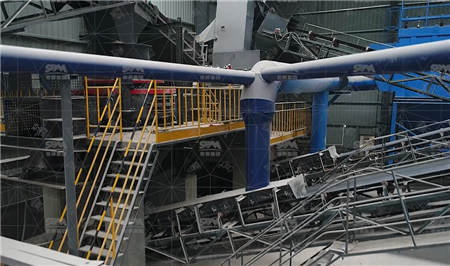
A leading aggregates producer in Abu Dhabi replaced its outdated conveyor system with a heat-resistant, automated belt solution. The upgrade reduced energy consumption by 15% and increased throughput by 20%, supporting the UAE’s Vision 2030 sustainability goals.
As the UAE continues to invest in mega-projects, conveyor belts remain indispensable for efficient aggregate processing. Innovations in material science and smart technology will further enhance their role in the region’s construction boom.