Crushing and Sand Making Equipment in the Aggregates Industry: A Comprehensive Overview
The aggregates industry is a cornerstone of infrastructure development, providing essential materials like sand, gravel, and crushed stone for construction projects. With rapid urbanization and growing demand for high-quality construction materials, crushing and sand-making equipment has become indispensable.
India’s construction sector is booming, driven by government initiatives such as “Smart Cities Mission” and extensive highway development. This surge has heightened the need for efficient crushing and sand-making solutions to produce high-grade aggregates. Natural sand shortages and environmental concerns have further accelerated the adoption of manufactured sand (M-Sand) produced by vertical shaft impactors (VSI) and other advanced machinery.
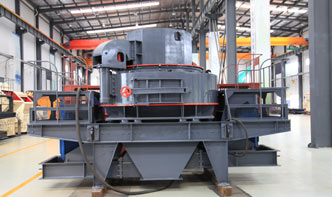
1. Jaw Crushers: Primary crushing machines ideal for hard and abrasive materials.
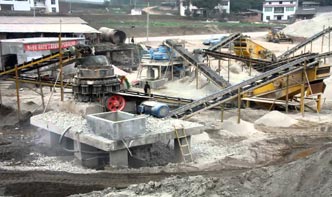
2. Cone Crushers: Used for secondary or tertiary crushing, offering precise particle size control.
3. Vertical Shaft Impactors (VSI): Key for producing cubical-shaped M-Sand with optimal gradation.
4. Vibrating Screens: Ensure proper sizing and separation of aggregates.
5. Sand Washing Plants: Remove impurities like silt and clay to improve product quality.
Q1: What is M-Sand, and why is it preferred over natural sand?
A: Manufactured sand (M-Sand) is produced by crushing rocks, offering better consistency, fewer impurities, and environmental sustainability compared to river sand mining.
Q2: How to maintain crushing equipment for longevity?
A: Regular lubrication, wear-part inspections, and timely replacement of liners/mantles are critical.
Q3: Can recycled concrete be used as feed material?
A: Yes, modern crushers can process recycled concrete into reusable aggregates, supporting circular economy practices.
A leading contractor deployed a 200 TPH VSI-based sand plant to meet M-Sand demand for a metro rail project. The setup reduced reliance on natural sand by 40% while ensuring compliance with IS 383 standards for concrete-grade sand.
As India’s infrastructure ambitions grow, advanced crushing and sand-making technologies will play a pivotal role in delivering sustainable, high-performance aggregates. Investing in the right equipment ensures operational efficiency while aligning with environmental regulations.

