The Rise of Small Portable Crusher Plants in the Aggregate Industry
The global demand for sand and gravel continues to surge, driven by urbanization, infrastructure development, and construction projects. Traditional stationary crushing plants, while effective, often struggle with flexibility and cost-efficiency in remote or temporary job sites. This has led to the growing popularity of small portable crusher plants, which offer mobility, compact design, and rapid deployment.
Aggregates are the backbone of construction, accounting for over 50% of concrete volume and 90% of asphalt mixtures. However, environmental regulations, limited access to natural resources, and logistical challenges have pushed contractors toward portable solutions. Small portable crushers address these issues by enabling on-site processing of materials like limestone, granite, and recycled concrete—reducing transportation costs and environmental impact.
1. Mobility & Flexibility: Mounted on wheels or tracks, these plants can be relocated easily between job sites.
2. Compact Design: Ideal for confined spaces or urban projects where large stationary plants are impractical.
3. Fuel Efficiency: Modern models integrate hybrid or electric power options to lower operational costs.
4. Quick Setup: Modular designs allow assembly within hours, minimizing downtime.
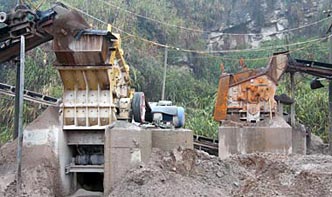
Q: What types of materials can a small portable crusher process?
A: These plants handle various materials, including hard rock (granite, basalt), soft stone (limestone), and recycled concrete/asphalt.
Q: How does a portable plant compare to a stationary one in terms of output?
A: While portable units may have slightly lower capacity (50–300 tph), their mobility compensates by enabling direct material processing at the source.
Q: Are portable crushers suitable for harsh environments?
A: Yes—many models feature rugged designs with dust suppression and noise reduction for compliance with environmental standards.
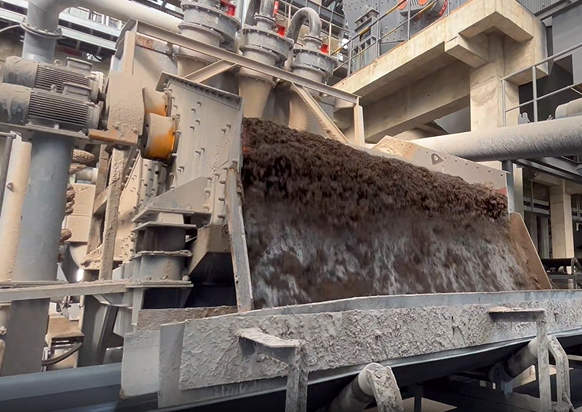
A contractor in Texas used a small jaw crusher plant to recycle demolished concrete into base material for new roads. The portable setup reduced hauling costs by 40% and completed the project 3 weeks ahead of schedule.
Small portable crusher plants are revolutionizing the aggregate industry by combining efficiency with sustainability. As technology advances, their role in recycling and decentralized production will only expand—making them indispensable for modern construction challenges.

