The Aggregates Industry: Crushing and Screening Equipment for Modern Construction
The aggregates industry is a cornerstone of global infrastructure development, supplying essential materials like sand, gravel, and crushed stone for construction projects. With urbanization and sustainable building practices on the rise, demand for high-quality crushed stone and manufactured sand (M-Sand) has surged. This drives innovation in crushing and screening equipment, ensuring efficiency, environmental compliance, and cost-effectiveness.
1. Primary Crushers (Jaw Crushers & Gyratory Crushers)
– Designed for coarse crushing of large rocks (e.g., granite, basalt).
– High capacity and rugged construction minimize downtime.
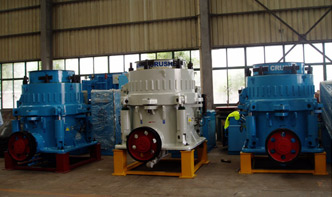
2. Secondary & Tertiary Crushers (Cone Crushers & Impact Crushers)
– Refine material into smaller, uniform sizes for concrete or asphalt production.
– Cone crushers excel in hardness reduction; impact crushers optimize shape for M-Sand.
3. Screening Systems (Vibrating Screens & Trommels)
– Separate aggregates by size to meet project specifications (e.g., 0–5mm sand, 20–40mm gravel).
4. Sand Washing & Dewatering Units
– Remove impurities (clay, dust) to enhance product quality for high-grade applications like ready-mix concrete.
Q1: What’s the difference between natural sand and M-Sand?
A: M-Sand is manufactured by crushing rocks, offering better gradation and fewer impurities than river sand, which is increasingly scarce due to environmental bans.
Q2: How to choose between a cone crusher and an impact crusher?
A: Cone crushers suit hard, abrasive materials; impact crushers are ideal for softer rock with higher shaping requirements (e.g., road base).
Q3: What’s the typical lifespan of a crushing plant?
A: With proper maintenance, 15–20 years. Wear parts (liners, blow bars) need regular replacement based on material abrasiveness.
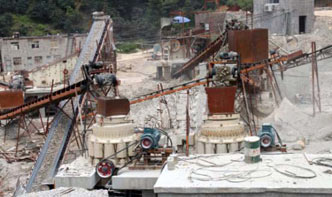
A quarry upgraded to a 500 TPH mobile crushing plant, reducing fuel costs by 30% with electric-driven units and achieving 95% recycled water usage in washing systems. The output met ASTM standards for highway construction aggregates.
As infrastructure demands grow globally, advanced crushing technology ensures reliable supply while addressing environmental challenges. Investing in modular, automated systems future-proofs operations in this dynamic industry.

