The Cost of Buying a Crushing Plant: A Comprehensive Guide for the Aggregate Industry
The global demand for crushed stone, sand, and gravel continues to rise, driven by infrastructure development, urbanization, and construction projects. A crushing plant is a critical investment for quarry operators, mining companies, and construction firms. Understanding the cost factors and operational considerations is essential for making an informed decision.
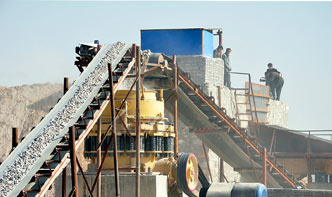
The aggregate industry relies heavily on crushing plants to process raw materials into usable sizes for concrete, asphalt, road base, and other applications. With stricter environmental regulations and the need for higher efficiency, modern crushing plants now incorporate advanced technologies like automation, energy-saving designs, and dust suppression systems.
1. Equipment Type:
– Jaw Crushers: Ideal for primary crushing; lower initial cost but may require secondary crushers.
– Cone Crushers: Suited for finer crushing; higher efficiency but more expensive.
– Impact Crushers: Best for recycling and softer materials; moderate cost with high versatility.
– Mobile vs. Stationary Plants: Mobile units offer flexibility but come at a premium price.
2. Production Capacity:
Higher output plants (e.g., 300-500 TPH) require larger investments but reduce long-term operational costs per ton.
3. Raw Material Characteristics:
Harder rocks (e.g., granite) demand more robust (and costly) equipment than softer limestone or recycled concrete.
4. Additional Components:
– Feeders, screens, conveyors, and dust control systems add to the total cost.
– Automation and remote monitoring may increase upfront costs but improve efficiency.
5. Installation & Logistics:
Site preparation, transportation, and labor costs vary significantly by location.
Q: What is the average cost range for a crushing plant?
A: Small to medium plants (50-200 TPH) may cost $500K-$2M+, while large-scale setups (300-1000 TPH) can exceed $5M+.
Q: How can I reduce operating costs?
A: Opt for energy-efficient motors, preventive maintenance programs, and automated controls to minimize downtime.
Q: Are used crushing plants a good option?
A: They can lower initial costs but may require higher maintenance expenses—inspect wear parts thoroughly before purchase.
A quarry in Texas upgraded to a 400 TPH mobile crushing plant with an impact crusher and triple-deck screen. The $3M investment reduced fuel consumption by 20% through hybrid power options and increased production by 35%, achieving ROI in under two years.
Investing in a crushing plant requires balancing upfront costs with long-term operational efficiency. By evaluating material needs, production goals, and technological advancements, buyers can optimize their investment for sustainable profitability in the competitive aggregate market.