River Sand Processing Machinery: A Comprehensive Guide
The global demand for high-quality sand and aggregates continues to rise, driven by rapid urbanization and infrastructure development. Natural river sand, once the primary source, is now increasingly scarce due to environmental regulations and over-exploitation. This has led to the growing adoption of manufactured sand (M-sand) produced using specialized river sand processing machinery.
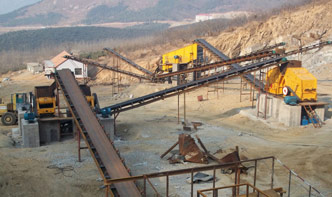
Traditional river sand mining poses significant ecological risks, including riverbank erosion and habitat destruction. Governments worldwide are enforcing stricter policies, pushing the construction industry toward sustainable alternatives like M-sand. Processed from hard rocks (granite, basalt) or construction waste, M-sand offers consistent gradation and superior performance in concrete mixes.
1. Jaw Crusher – Primary crushing of large rocks into smaller fragments.
2. Cone Crusher / Impact Crusher – Secondary crushing to achieve finer particles.
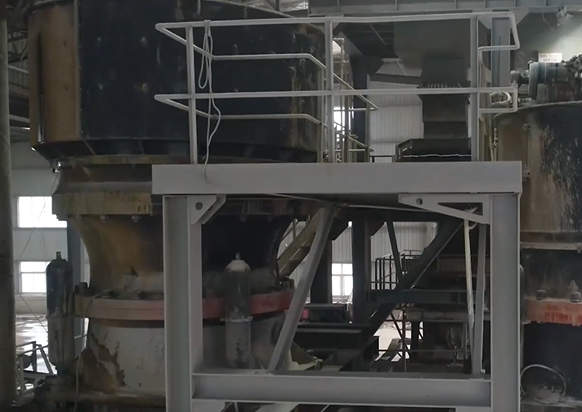
3. Sand Making Machine (VSI Crusher) – Shapes crushed material into cubical grains, mimicking natural sand.
4. Vibrating Screen – Classifies particles by size for optimal gradation.
5. Sand Washer – Removes impurities like clay and dust, enhancing product quality.
Advanced systems integrate automation for efficiency, reducing energy consumption and labor costs.
Q: Can M-sand completely replace river sand?
A: Yes, with proper processing, M-sand meets or exceeds river sand’s performance in most applications.
Q: What maintenance does a sand processing plant require?
A: Regular wear-part inspections (e.g., crusher liners) and lubrication are critical to minimize downtime.
A 200-ton/hour sand processing plant was installed to produce ASTM-compliant M-sand for a highway project. The setup included a VSI crusher and multi-stage screening, achieving 95% usable output with minimal waste. The switch from river sand saved over $500K annually while complying with environmental standards.
Investing in modern river sand processing machinery is not just a regulatory necessity but a strategic move toward sustainable construction practices. As technology advances, these systems will play an even greater role in shaping the future of the aggregates industry.

