The Essential Role of Crushing and Sand-Making Equipment in the Aggregate Industry
The global construction boom has fueled unprecedented demand for high-quality sand and aggregates, driving innovation in crushing and sand-making equipment. As urbanization accelerates, the aggregate industry plays a pivotal role in supplying materials for infrastructure, concrete, and asphalt production.
Aggregates—crushed stone, gravel, and sand—are the backbone of modern construction. With natural sand reserves dwindling due to environmental regulations, manufactured sand (M-Sand) produced by crushing machines has become a sustainable alternative. Key sectors like highways, railways, and urban development rely on efficient crushing systems to meet specifications for particle size, shape, and cleanliness.
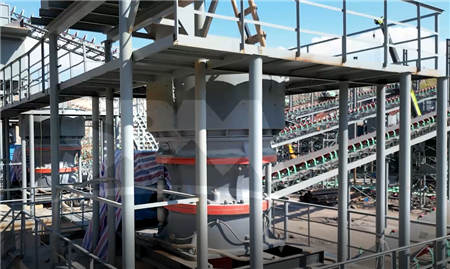
1. Jaw Crushers: Primary crushers ideal for hard rock, reducing large stones to manageable sizes.
2. Cone Crushers: Secondary crushers for finer crushing, ensuring optimal particle shape for concrete mixes.
3. Impact Crushers: Versatile machines producing cubical aggregates ideal for asphalt and road base layers.
4. Vertical Shaft Impactors (VSI): Critical for M-Sand production, shaping particles through rock-on-rock or rock-on-metal crushing.
5. Sand Washers: Remove impurities like clay and silt to improve product quality.
M-Sand offers consistent gradation, higher strength, and reduced environmental impact compared to river sand mining.
Regular maintenance, proper feed size control, and selecting the right liner profile are key factors.
Depending on model and material hardness, VSIs can produce 50–500 tons per hour of high-quality sand.
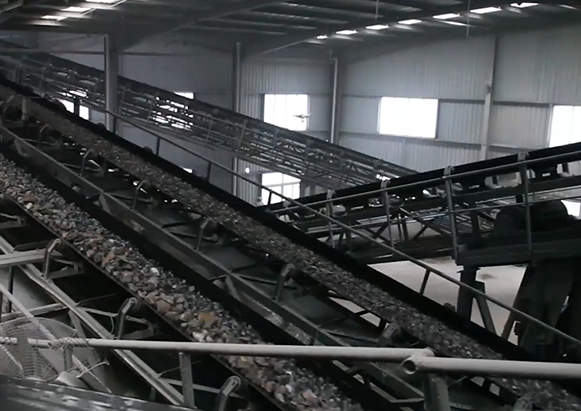
A quarry in Texas upgraded to a VSI-based crushing circuit, increasing M-Sand yield by 30% while reducing energy consumption. The system’s adjustable rotor speed allowed precise control over particle shape, meeting DOT standards for highway construction.
Automation and IoT integration are transforming aggregate plants, enabling real-time monitoring of wear parts and production metrics. Sustainable practices—such as recycling construction waste into aggregates—are also gaining traction globally.
By investing in advanced crushing technology, producers can ensure efficiency, sustainability compliance while meeting the evolving demands of the construction industry without compromising quality or profitability

