The Role of Grinding Machines in the Aggregates Industry: Noise Considerations and Beyond
The aggregates industry plays a pivotal role in construction, providing essential materials like sand, gravel, and crushed stone. Central to this sector are grinding machines—equipment designed to reduce large rocks into smaller particles for use in concrete, asphalt, and other applications. However, alongside their efficiency, noise pollution remains a critical concern for operators and surrounding communities.
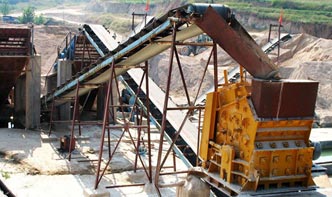
Grinding machines, including jaw crushers, cone crushers, and impact crushers, are engineered to handle hard materials with precision. Modern designs prioritize energy efficiency and reduced environmental impact. Yet, their operation generates significant noise due to mechanical friction, material collision, and vibration. Sound ratings typically range from 85 dB to 115 dB, depending on the machine type and operational conditions. Prolonged exposure above 85 dB can pose health risks, necessitating mitigation strategies.
1. Enclosures and Barriers: Soundproof enclosures dampen noise by up to 20–30 dB.
2. Vibration Isolation: Anti-vibration mounts minimize structure-borne noise.
3. Acoustic Liners: Internal linings absorb sound waves within crushing chambers.
4. Maintenance Practices: Worn components (e.g., bearings) increase noise; regular upkeep is vital.
Q: What’s the permissible noise level for grinding equipment?
A: Most regulations cap workplace noise at 85 dB(A) over 8 hours (OSHA/EU standards).
Q: Can retrofitting older machines reduce noise?
A: Yes—adding liners or enclosures can significantly lower decibel levels.
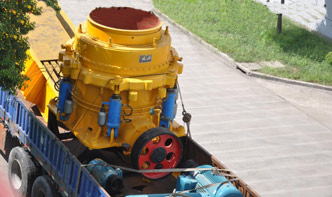
A quarry in Germany retrofitted its cone crusher with an acoustic enclosure and vibration dampers, reducing operational noise from 105 dB to 88 dB. This allowed compliance with local ordinances while improving worker safety.
Balancing productivity and environmental responsibility is key in the aggregates sector. Advances in grinding machine design continue to address noise challenges, ensuring sustainable operations without compromising performance. Stakeholders must prioritize both technological upgrades and regulatory adherence to foster safer workspaces and community relations.

