The Role of Mechanical Plate Notchers in Aggregate Processing Equipment
The aggregates and sand production industry is a cornerstone of modern construction, providing essential materials for infrastructure, concrete, and asphalt. Within this sector, equipment durability and precision are critical to maintaining operational efficiency. One often-overlooked yet vital component is the mechanical plate notcher, a specialized tool used in fabricating and maintaining crusher liners, screens, and chutes.
Aggregate processing involves crushing, screening, and washing raw materials like granite, limestone, or recycled concrete. Wear-resistant steel plates are widely used to protect equipment from abrasion and impact. However, these plates require precise cutting and notching to fit complex geometries—a task where mechanical plate notchers excel.
A mechanical plate notcher is designed to create clean, accurate notches in thick steel plates (typically 10–50 mm). Unlike plasma or laser cutting, mechanical notching ensures:
Common applications include:
1. Why choose mechanical notching over thermal methods?
Thermal processes can harden or warp steel, compromising fatigue resistance. Mechanical notching avoids this while maintaining tighter tolerances (±0.5 mm).
2. What plate grades are compatible?
Most abrasion-resistant steels (AR400/500) and mild steels can be notched, though tool wear increases with hardness.
3. How does automation integrate with plate notchers?
CNC-controlled notchers are gaining traction for high-volume operations, reducing manual setup time.
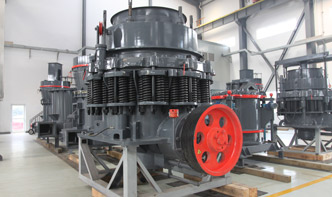
A quarry in Texas upgraded its liner fabrication process by adopting a hydraulic plate notcher for its cone crusher components. The result:
Mechanical plate notchers may operate behind the scenes, but their impact on aggregate equipment longevity and performance is undeniable. As the industry leans toward automation and precision engineering, these tools will remain indispensable for fabricators aiming to balance speed and quality in wear-part manufacturing.