The Crushing and Sand-Making Equipment Industry: A Comprehensive Overview
The global demand for high-quality sand and aggregates continues to rise, driven by infrastructure development, urbanization, and construction projects. As natural sand reserves deplete, manufactured sand (M-Sand) produced by crushing and sand-making equipment has become a sustainable alternative. This industry plays a pivotal role in supplying raw materials for concrete, asphalt, and other construction applications.
1. Jaw Crushers: Primary crushing machines designed to reduce large rocks into smaller fragments. Ideal for hard and abrasive materials like granite or basalt.
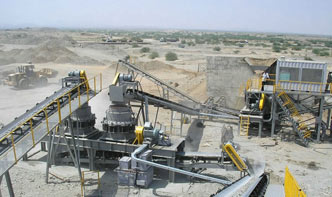
2. Cone Crushers: Secondary or tertiary crushers that deliver finer output with high efficiency, suitable for medium-hard to hard ores.
3. Impact Crushers: Versatile machines for shaping aggregates, producing cubical end products ideal for concrete mixes.
4. Sand Makers (VSI Crushers): Specialized equipment for producing high-quality M-Sand by crushing rocks into fine particles with optimized gradation.
5. Screening and Washing Systems: Ensure the final product meets size specifications and eliminates impurities like clay or dust.
Q: What’s the difference between natural sand and M-Sand?
A: M-Sand is manufactured by crushing rocks, offering consistent gradation and fewer impurities compared to irregular natural sand.
Q: How to maintain crushers for longevity?
A: Regular lubrication, wear-part inspections, and timely replacement of liners/mantles are critical.
Q: s handle high-phosphorus iron ore?
A: Yes, but abrasive ores may accelerate wear; opting for hardened alloys or ceramic liners improves durability.
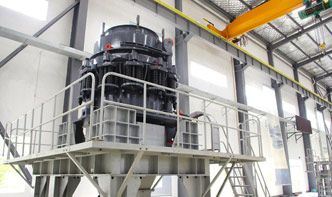
A mining project in Australia utilized a three-stage crushing system (jaw + cone + VSI) to process iron ore with high phosphorus content. By integrating a washing system, they achieved a 95% purity rate in the final aggregate product, meeting stringent construction standards while minimizing environmental impact.
The crushing and sand-making equipment industry is essential for sustainable construction material production. Investing in the right technology ensures efficiency, cost savings, and compliance with environmental regulations—key factors for long-term success in this evolving sector.

