Crushing and Screening Plants: Design Symbols and Industry Insights
The aggregates industry plays a pivotal role in global infrastructure development, supplying materials for construction, roads, and concrete production. Central to this sector are crushing and screening plants, which transform raw rock into usable aggregates. Understanding their design symbols and operational principles is critical for engineers and project managers.
Demand for high-quality sand, gravel, and crushed stone continues to rise, driven by urbanization and infrastructure projects. Modern crushing and screening plants integrate advanced technology to improve efficiency, reduce downtime, and meet environmental regulations. Key components include:
Standardized symbols represent equipment in plant layouts:
These symbols streamline communication across engineering teams and ensure consistency in blueprints.
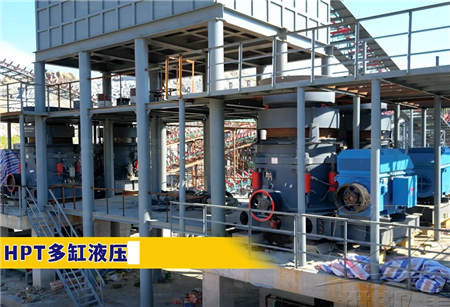
1. Material Characteristics: Hardness, abrasiveness, and moisture content influence equipment selection.
2. Capacity Requirements: Matching throughput to project demands avoids bottlenecks.
3. Environmental Compliance: Dust suppression systems and noise reduction measures are increasingly mandatory.
Q1: What’s the difference between open-circuit and closed-circuit crushing?
A1: Open-circuit crushes material once, while closed-circuit recirculates oversize material for further reduction, improving yield.
Q2: How to optimize screening efficiency?
A2: Adjust screen angle, vibration intensity, and mesh size based on material properties.
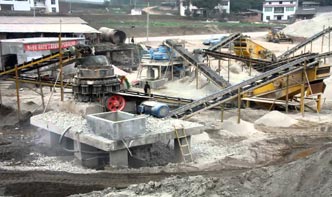
A quarry in Texas upgraded to a 3-stage crushing plant with cone crushers and multi-deck screens, increasing production by 30% while reducing energy consumption by 15%. The design incorporated modular components for easy maintenance.
Effective crushing and screening plant design hinges on understanding equipment symbols, material science, and operational goals. As sustainability gains importance, future innovations will focus on energy efficiency and automation—ensuring the aggregates industry remains a cornerstone of development.

