Quarry Dust as a Sustainable Alternative to Sand in India’s Construction Industry
Industry Background
India’s construction sector faces a critical challenge: the scarcity of natural river sand due to environmental regulations and over-exploitation. Quarry dust, a byproduct of crushing stone in quarries, has emerged as a viable alternative. With properties similar to sand, it offers economic and ecological benefits while addressing supply chain gaps.
Product Core: Quarry Dust vs. Sand
Quarry dust consists of fine particles (≤4.75mm) generated during rock crushing. Its angular shape and rough texture enhance bonding with cement, improving concrete strength. Key advantages over river sand include:
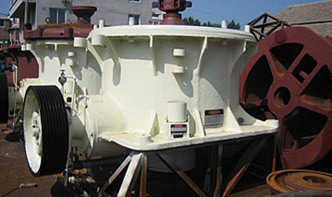
However, challenges like higher silt content (requiring washing) and dust control during handling must be addressed.
Common FAQs
1. Is quarry dust suitable for all construction applications?
Ideal for non-load-bearing structures (e.g., plastering, block making) but requires mix optimization for high-strength concrete.
2. Does it comply with Indian standards?
Yes, IS 383:2016 permits quarry dust as fine aggregate if it meets gradation and impurity limits.
3. How is dust pollution managed?
Modern crushers with wet suppression systems or air filters minimize airborne particles.
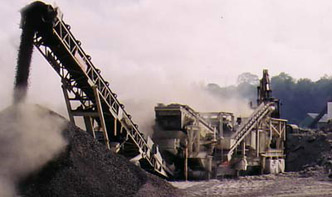
Engineering Case Study: Tamil Nadu Highway Project
A 50km highway stretch used quarry dust (20% replacement of sand) in sub-base layers. Results showed:
Conclusion
Quarry dust is reshaping India’s construction material landscape, balancing sustainability and performance. Wider adoption hinges on industry education and optimized processing technologies.

