Zircon Sand Processing Plant in Malaysia: A Comprehensive Overview
Malaysia is a key player in the global mineral sands industry, particularly for zircon sand, which is widely used in ceramics, refractories, and precision casting. The demand for high-purity zircon sand has driven investments in advanced processing plants across the country. These facilities focus on efficient extraction, beneficiation, and refining to meet international quality standards.
A typical zircon sand processing plant in Malaysia includes several critical stages:
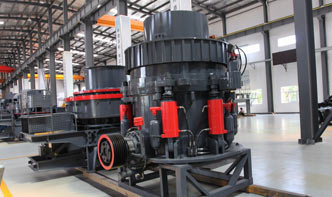
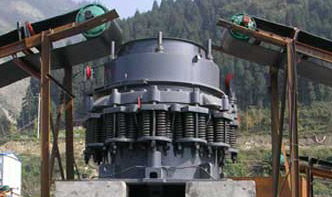
1. Crushing & Screening: Primary jaw crushers and cone crushers reduce raw ore to manageable sizes, followed by vibrating screens for classification.
2. Gravity Separation: Spiral separators or shaking tables concentrate zircon sand by removing lighter gangue materials.
3. Magnetic & Electrostatic Separation: High-intensity magnetic separators and electrostatic separators further purify zircon by removing ilmenite and rutile impurities.
4. Drying & Packaging: Rotary dryers ensure low moisture content before final packaging for export or domestic use.
Malaysian plants often source machinery from global leaders like Outotec, FL, and local manufacturers specializing in mineral processing solutions. Customized designs are common to adapt to varying ore grades and environmental regulations.
Q1: What is the typical zircon recovery rate in Malaysian plants?
A: Modern plants achieve 85–92% recovery rates, depending on ore quality and process efficiency.
Q2: How is waste managed in these facilities?
A: Tailings are treated via sedimentation ponds or reprocessed for residual minerals, aligning with Malaysia’s environmental guidelines.
Q3: What are the major export markets for Malaysian zircon sand?
A: Key buyers include China, Japan, and Europe, where zircon is used in high-value industries like aerospace and electronics.
A recent project in Terengganu involved upgrading an aging plant with automated control systems and high-efficiency separators, boosting output by 30% while reducing energy consumption by 15%. The retrofit included advanced dust suppression systems to comply with stricter emissions standards.
Malaysia’s zircon sand processing industry continues to evolve with technology-driven solutions, ensuring sustainable production and global competitiveness. Strategic partnerships with equipment providers and adherence to environmental norms will further solidify its position in the market.

