Fluorspar Flotation Plant and Its Role in the Aggregate Industry
The mining and aggregate industry relies heavily on efficient mineral processing technologies to produce high-quality materials for construction, manufacturing, and industrial applications. One critical process is the flotation of fluorspar (calcium fluoride, CaF₂), a key raw material for hydrofluoric acid production, aluminum smelting, and cement additives. Modern fluorspar flotation plants integrate advanced crushing, grinding, and separation techniques to optimize yield and purity.
Fluorspar is classified into three grades: metallurgical (60–85% CaF₂), ceramic (85–95% CaF₂), and acid-grade (≥97% CaF₂). The latter demands rigorous beneficiation, often achieved through froth flotation—a process separating hydrophobic minerals from hydrophilic waste. This technology parallels practices in the sand/gravel sector, where density separation and washing refine aggregates for concrete or asphalt.
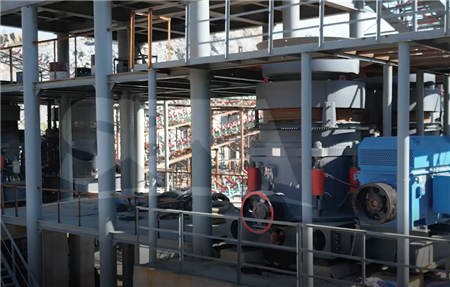
1. Crushing & Grinding: Primary jaw crushers and cone crushers reduce raw ore to <20mm, followed by ball mills for fine grinding (<0.074mm).
2. Flotation Cells: Reagents like fatty acids or sulfonates selectively bind to fluorspar particles, forming a froth layer skimmed off as concentrate.
3. Dewatering: Filter presses or thickeners remove moisture, yielding dry fluorspar powder.
Such systems mirror aggregate plants where vibrating screens, log washers, and hydrocyclones classify sand/gravel by size and density.
Q: How does fluorspar flotation compare to quartz sand processing?
A: Both use similar grinding/flotation principles but target different minerals. Quartz relies on magnetic or gravity separation to remove iron/feldspar impurities.
Q: Can waste from fluorspar plants be repurposed?
A: Yes. Tailings with high silica content may serve as construction fill or cement additives after environmental testing.
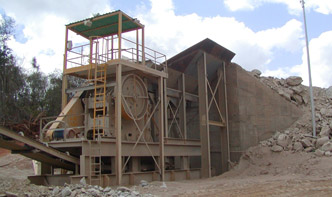
A Mongolian fluorspar plant upgraded its circuit with automated pH control and column flotation cells, boosting recovery from 75% to 88%. Similar optimizations are applied in sand plants—e.g., replacing spiral classifiers with hydrocyclones to cut water usage by 30%.
Fluorspar flotation exemplifies how mineral processing innovations cross-pollinate with aggregate technologies. As sustainability pressures grow, both sectors increasingly adopt closed-water systems and AI-driven process control to minimize waste and energy use.

