Iron Ore Feeding Equipment: Key Considerations for the Aggregates Industry
The aggregates and mining industry relies heavily on efficient material handling systems, with iron ore feeding equipment playing a critical role in ensuring smooth operations. As demand for high-quality sand, gravel, and crushed stone grows, selecting the right feeding equipment becomes essential for productivity and cost-effectiveness.
Iron ore is a primary raw material for steel production, and its processing often involves crushing, screening, and conveying. Feeding equipment, such as vibratory feeders, apron feeders, and belt feeders, ensures a consistent flow of ore to downstream crushers or mills. In the aggregates sector, similar equipment is used for handling limestone, granite, and other hard rocks.
1. Vibratory Feeders – Ideal for controlled material flow with adjustable amplitude and frequency. Suitable for fine to medium-sized ores.
2. Apron Feeders – Heavy-duty design for large lumps and abrasive materials, commonly used in primary crushing stages.
3. Belt Feeders – Provide continuous feeding with minimal spillage, often integrated into conveyor systems.
Key factors influencing price include capacity (TPH), material abrasiveness, motor power, and customization requirements (e.g., wear-resistant linings).
Q: What determines the cost of iron ore feeding equipment?
A: Pricing depends on size, material grade (e.g., carbon steel vs. hardened alloys), automation features (variable speed drives), and supplier location (shipping costs).
Q: How to reduce maintenance costs?
A: Opt for wear-resistant components (replaceable liners) and ensure proper alignment to minimize belt or chain wear.
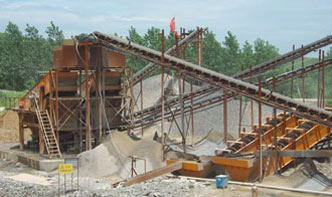
A mining operation in Australia upgraded from manual loading to automated vibratory feeders, increasing throughput by 30% while reducing downtime caused by uneven feed rates. The ROI was achieved within 12 months due to higher crusher efficiency and reduced labor costs.
Investing in reliable feeding equipment enhances operational efficiency in both iron ore processing and aggregate production lines. Buyers should evaluate long-term durability over upfront costs to maximize value in high-wear environments.

