Silica Sand vs. Quartz: Understanding the Differences and Their Role in Aggregate Production
The construction and mining industries heavily rely on high-quality aggregates, with silica sand and quartz being two critical materials. While often confused, they differ in composition, formation, and applications.
Aggregates like silica sand and crushed quartz are essential for concrete, asphalt, glass, and industrial manufacturing. The global demand for these materials is driven by infrastructure development and urbanization. Efficient crushing and screening equipment ensures consistent particle size distribution, a key factor in meeting industry standards.
1. Composition & Purity:
– Silica Sand: Primarily composed of silicon dioxide (SiO₂) but contains impurities like clay, iron oxides, or organic matter. Typically 95-99% pure SiO₂.
– Quartz: A crystalline form of SiO₂ with higher purity (often >99%). Its hardness (7 on Mohs scale) makes it ideal for high-wear applications.
2. Formation & Structure:
– Silica sand is derived from weathered quartz rocks or broken-down granite, resulting in rounded grains.
– Quartz occurs naturally as hexagonal crystals and is mechanically crushed into angular particles for industrial use.
3. Applications:
– Silica Sand: Used in glass production, foundry molds, hydraulic fracturing (fracking), and filtration systems due to its uniform grain size.
– Crushed Quartz: Preferred for high-strength concrete, countertops, electronics (semiconductors), and abrasives owing to its durability and purity.
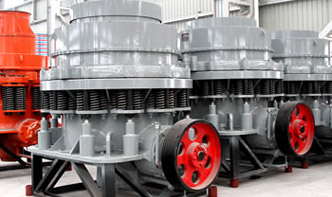
To produce these materials efficiently:
Q1: Can silica sand be processed from quartz?
Yes—quartz rocks are crushed, washed, and classified to produce high-purity silica sand.
Q2: Which is more cost-effective?
Silica sand requires less processing but offers lower strength; crushed quartz is pricier but superior for specialized uses like engineered stone.
A U.S.-based construction firm replaced natural silica sand with manufactured quartz sand in precast concrete panels, achieving a 20% increase in compressive strength while reducing cement content—demonstrating the value of optimized aggregate selection.
Understanding the distinctions between silica sand and quartz ensures optimal material selection for projects requiring durability or chemical inertness. Advances in crushing technology continue to enhance the quality and sustainability of these vital aggregates worldwide.”

