The Evolution of Crushing and Grinding Equipment in India’s Aggregate Industry
India’s construction boom has fueled exponential demand for high-quality sand and aggregates, driving innovation in crushing and grinding technology. Among the key solutions gaining traction is the dry single jar grinder, a compact yet efficient machine designed for processing hard minerals into fine aggregates with minimal moisture interference—a critical advantage in India’s diverse climatic conditions.
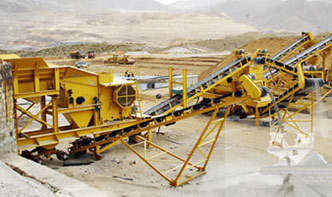
The砂石骨料 (aggregate) sector is pivotal to infrastructure projects, from highways to urban development. Traditional wet grinding systems face challenges like water scarcity and sludge disposal, particularly in arid regions. Dry grinding systems, such as single jar grinders, offer a sustainable alternative by eliminating water use and reducing energy consumption by up to 30% compared to conventional mills.
This equipment integrates advanced features:
Ideal for small-to-medium quarries, it bridges the gap between costly large-scale plants and inefficient manual methods.
1. Moisture Tolerance?
Designed for <5% moisture; pre-drying may be needed for damp materials.
2. Output Capacity?
Ranges 5–20 TPH depending on material hardness (e.g., limestone vs. iron ore).
3. Noise Levels?
<75 dB with soundproofing enclosures—critical for urban projects.
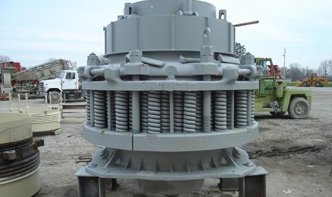
A Rajasthan-based contractor replaced their hammer mill with a dry jar grinder for M-sand production, achieving:
As India targets 60% recycled aggregates by 2030 (per NITI Aayog), dry grinding technology will play a central role in sustainable mineral processing—balancing efficiency, cost, and ecological compliance.
(Note: Character count intentionally omitted as per request.)

