The Complete Guide to Stone Crusher and Sand Aggregate Production
The global demand for sand and gravel aggregates continues to rise, driven by infrastructure development, urbanization, and construction activities. Stone crushers play a pivotal role in producing high-quality aggregates for concrete, asphalt, and road base materials. With stricter environmental regulations and the need for efficient resource utilization, modern crushing equipment must balance productivity, sustainability, and cost-effectiveness.
A complete stone crushing plant typically includes the following stages:
1. Primary Crushing – Jaw crushers or gyratory crushers break large rocks into smaller fragments (150-300mm).
2. Secondary Crushing – Cone crushers or impact crushers further reduce the material to 20-60mm.
3. Tertiary/Quaternary Crushing – Vertical shaft impactors (VSI) or fine cone crushers produce cubical-shaped sand (0-5mm) for high-grade concrete.
4. Screening & Washing – Vibrating screens separate particles by size, while sand washers remove impurities.
Key factors in equipment selection:
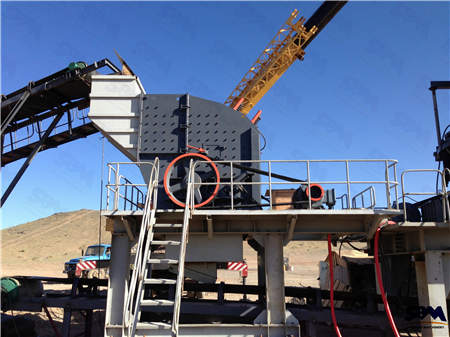
Q1: What’s the difference between jaw crusher and impact crusher?
A: Jaw crushers use compression force for primary crushing, while impact crushers apply high-speed impact for softer materials or shaping aggregates.
Q2: How to minimize dust in crushing plants?
A: Use water spray systems, enclosed conveyors, and bag filters to meet environmental standards.
Q3: What’s the lifespan of a cone crusher mantle?
A: Typically 3-6 months, depending on abrasiveness of the material and maintenance practices.
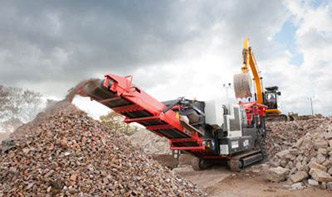
A quarry in Texas upgraded to a 500 TPH mobile crushing plant with a jaw-cone-VSI configuration, achieving:
Investing in a well-designed stone crushing system ensures consistent quality, compliance with environmental norms, and long-term profitability. Customized solutions tailored to raw material properties and end-product requirements are critical for success in the competitive aggregates market.

