The Complete Stone Quarry Plant Equipment Guide: From Crushing to Screening
The stone quarry and aggregate industry is a cornerstone of modern construction, providing essential materials for infrastructure, buildings, and roads. A well-designed quarry plant integrates multiple stages of processing, from primary crushing to final screening, ensuring efficiency and high-quality output. Below is a breakdown of the key equipment and processes involved.
1. Primary Crushers
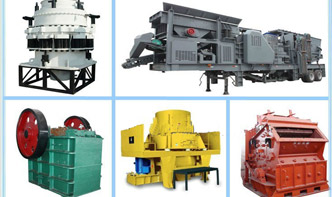
– Jaw Crushers: Ideal for hard, abrasive materials like granite and basalt. They deliver high reduction ratios and robust performance.
– Gyratory Crushers: Suited for large-scale operations with high throughput demands.
2. Secondary & Tertiary Crushers
– Cone Crushers: Provide finer crushing for mid-hard to hard stones, ensuring uniform particle size.
– Impact Crushers: Best for softer materials like limestone, producing cubical-shaped aggregates.
3. Screening Systems
– Vibrating Screens: Separate crushed stone into different sizes (e.g., 0-5mm, 5-20mm). Multi-deck screens enhance classification accuracy.
4. Sand Making Machines (Vertical Shaft Impactors – VSI)
– Crush stones into fine sand (0-5mm), critical for concrete and asphalt production.
5. Conveyors & Feeders
– Ensure seamless material transfer between stages, reducing manual handling and downtime.
6. Dust Control Systems
– Bag filters and water sprays mitigate airborne particles, complying with environmental regulations.
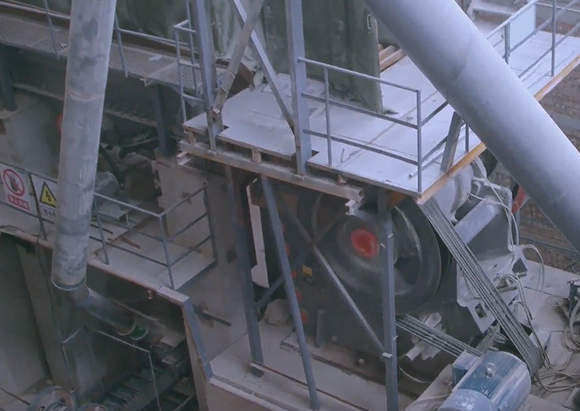
A: Jaw crushers are cost-effective for medium-scale operations; gyratory crushers suit high-capacity sites (>1,000 tph).
A: With proper maintenance, crushers last 10-15 years; screens and conveyors may require part replacements every 5-8 years.
A: Use variable frequency drives (VFDs) on motors and prioritize automated controls to reduce idle time.
A granite quarry in Texas upgraded its plant with a three-stage crushing system (jaw + cone + VSI) and a multi-deck screen, increasing production by 35% while reducing energy use by 20%. Dust suppression systems ensured compliance with local EPA standards.
Investing in the right quarry equipment—matched to material hardness, capacity needs, and environmental factors—is critical for profitability and sustainability. Regular maintenance and process audits further enhance long-term ROI in the aggregates industry.

