Iron Ore Processing Flow Chart Simplified
The mining and processing of iron ore is a critical part of the global steel industry. A simplified flow chart helps visualize the key stages—from extraction to final product—ensuring efficiency and cost-effectiveness in production.
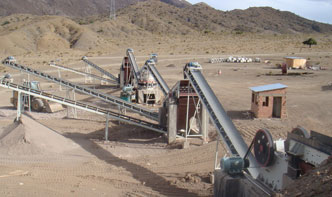
Iron ore is a primary raw material for steelmaking, with major deposits found in Australia, Brazil, China, and India. Processing involves crushing, grinding, beneficiation, and pelletizing/sintering before being fed into blast furnaces. Efficient processing minimizes waste and maximizes yield.
1. Crushing & Screening
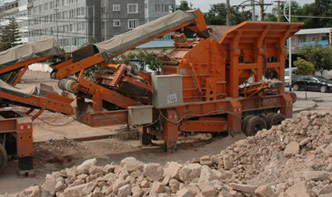
– Large chunks of iron ore are reduced using jaw crushers or gyratory crushers.
– Vibrating screens separate finer particles for further grinding.
2. Grinding (Ball Mills & SAG Mills)
– Ore is ground into fine powder (<0.075 mm) to liberate iron oxides from gangue minerals.
3. Beneficiation (Magnetic Separation/Flotation)
– Low-grade ores undergo magnetic separation or flotation to increase Fe content (~60-65%).
4. Pelletizing/Sintering
– Fine concentrates are agglomerated into pellets or sintered for blast furnace feed.
Q1: What’s the difference between hematite and magnetite processing?
A: Magnetite is magnetic, allowing easier beneficiation via magnetic separators, while hematite often requires flotation or gravity separation.
Q2: Why is pelletizing preferred over sintering?
A: Pellets have higher iron content (~65%) and better furnace performance compared to sinter (~55%).
A Brazilian mine increased yield by 12% after replacing traditional jaw crushers with hybrid HPGR-crusher systems, reducing energy consumption by 20%.
By optimizing each stage—crushing, grinding, and beneficiation—miners can achieve higher productivity while lowering operational costs in iron ore processing plants worldwide.

