The Quarry and Grrinding Equipment Industry: A Comprehensive Overview
The quarry and grinding equipment sector plays a pivotal role in the construction and mining industries, providing essential machinery for processing raw materials into aggregates, sand, and other construction-grade materials. With rapid urbanization and infrastructure development worldwide, the demand for high-quality crushed stone, sand, and gravel continues to grow. This article explores the industry’s background, key equipment, FAQs, and real-world applications.
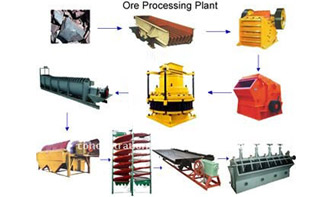
Aggregates are the backbone of modern construction, used in concrete, asphalt, road bases, and railway ballast. The global market is driven by infrastructure projects, housing demands, and renewable energy installations (e.g., wind farms). Quarrying involves extracting rock or minerals from open-pit or underground mines, while grinding equipment refines these materials into finer particles for specific applications.
1. Jaw Crushers: Primary crushers for coarse reduction of hard rocks.
2. Cone Crushers: Secondary/Tertiary crushers for finer crushing.
3. Impact Crushers: Ideal for softer materials like limestone; produce cubical aggregates.
4. Vertical Shaft Impactors (VSI): Specialized for producing high-quality manufactured sand.
5. Ball Mills & Raymond Mills: Used in grinding circuits for ultra-fine powder production (e.g., cement additives).
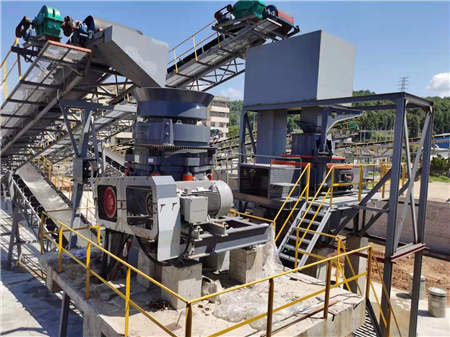
Q: What’s the difference between natural and manufactured sand?
A: Natural sand is mined from riverbeds, while manufactured sand is produced by crushing rocks (often with VSIs), offering better gradation control.
Q: How to choose between a jaw crusher and a cone crusher?
A: Jaw crushers suit primary crushing of hard materials; cone crushers are better for secondary/tertiary stages with higher efficiency but lower throughput than jaws.
Q: What maintenance do grinding mills require?
A: Regular lubrication, wear-part inspections (e.g., liners), and alignment checks are critical to prevent downtime.
A limestone quarry in Texas upgraded its crushing circuit with a VSI to produce ASTM-compliant sand for concrete. The solution reduced waste by 20% and improved product consistency, meeting local construction demands sustainably.
Automation (e.g., AI-powered predictive maintenance) and eco-friendly designs (low-noise, energy-efficient motors) are shaping the next generation of quarry and grinding equipment.
By understanding equipment capabilities and industry trends, stakeholders can optimize operations for productivity and sustainability—key to thriving in this dynamic sector.

