German Pellet Mill Suppliers and the Aggregate Industry: A Comprehensive Overview
The aggregate industry plays a pivotal role in global infrastructure development, providing essential materials like crushed stone, sand, and gravel for construction projects. Among the key equipment suppliers, German pellet mill manufacturers stand out for their engineering excellence and innovation in biomass processing, which indirectly supports sustainable practices in the aggregate sector.
The demand for high-quality aggregates is driven by urbanization and infrastructure growth. While pellet mills are traditionally associated with biomass processing (e.g., wood pellets), their technology principles—such as compaction and size reduction—overlap with crushing and screening equipment used in aggregate production. German suppliers leverage precision engineering to deliver durable, efficient machinery adaptable to various raw materials.
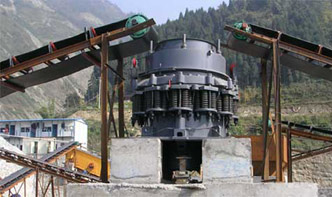
German pellet mills are renowned for:
1. High Efficiency: Advanced die designs and automation ensure consistent output with minimal energy consumption.
2. Durability: Robust construction using wear-resistant materials extends equipment lifespan, critical for abrasive aggregate processing.
3. Sustainability: Integration of renewable energy solutions aligns with the industry’s shift toward eco-friendly operations.
Notable manufacturers like Amandus Kahl and offer systems adaptable for alternative applications, such as recycling construction waste into usable aggregates—a growing niche in circular economies.
Q1: Can pellet mills process hard stones like granite or basalt?
No, pellet mills are designed for organic materials (e.g., wood, biomass). For hard aggregates, jaw crushers or cone crushers are more suitable.
Q2: How do German pellet mills compare globally?
German engineering emphasizes precision and reliability, often outperforming competitors in longevity and energy efficiency.
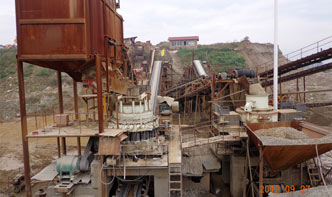
Q3: Are there hybrid systems for aggregate-biomass processing?
Emerging technologies explore combined crushing-pelletizing systems for waste-to-energy projects, though dedicated equipment remains standard.
A German-supplied pellet mill was repurposed in a Dutch recycling plant to compress demolition waste into lightweight aggregates for road sub-base layers. The project demonstrated adaptability while reducing landfill dependency—showcasing cross-industry potential.
While German pellet mill suppliers excel in biomass processing, their technological advancements inspire broader applications in sustainable aggregate production. Collaboration between sectors could unlock innovative solutions for resource efficiency worldwide.

