The Growing Demand for Dross Recycling Machines in India’s Aggregate Industry
India’s construction and mining sectors are witnessing rapid growth, driving the demand for efficient recycling and processing equipment. Among these, dross recycling machines have gained prominence for their role in recovering valuable metals from industrial waste, particularly in aluminum and zinc production. These machines align with the broader trends in the crushing and sand-making equipment sector, where sustainability and resource optimization are key priorities.
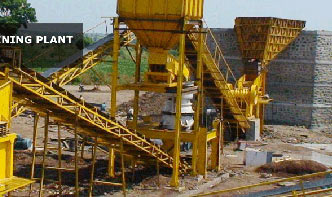
The aggregate industry in India relies heavily on recycled materials to meet the demand for construction-grade sand, gravel, and crushed stone. With stricter environmental regulations and rising raw material costs, recycling dross—a byproduct of metal smelting—has become economically viable. Dross recycling machines help extract residual metals, reducing waste and lowering production costs for manufacturers.
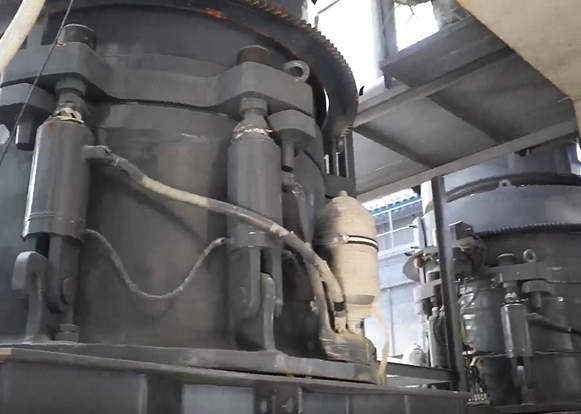
Modern dross recyclers are designed for:
Leading Indian manufacturers are innovating with localized solutions to cater to small and mid-sized plants, ensuring affordability without compromising quality.
Beyond metal recovery, dross recyclers complement sand-making plants by repurposing slag into construction aggregates. Processed dross can replace natural sand in concrete mixes, reducing reliance on riverbed mining—a critical sustainability win.
1. What metals can be recovered using dross recycling machines?
Primarily aluminum, zinc, and lead, though configurations vary based on input waste.
2. How does dross recycling support the aggregate industry?
By converting waste into usable materials like synthetic sand or filler for asphalt/cement.
3. Are these machines suitable for small-scale operators?
Yes, modular designs are available for SMEs with lower throughput needs.
A manufacturer in Gujarat integrated a dross recycling system to process 5 tons/day of aluminum slag, achieving:
As India’s infrastructure expands, dross recycling machines will play a pivotal role in bridging metal recovery and sustainable aggregate production. Investing in this technology not only addresses waste challenges but also unlocks new revenue streams for the mining and construction sectors.