Comparing Copper Ore Samples: A Guide for the Aggregates and Mineral Processing Industry
The aggregates and mineral processing industry relies heavily on accurate ore characterization to optimize crushing, grinding, and beneficiation processes. Comparing copper ore samples is a critical step in determining their suitability for downstream applications, such as producing high-quality sand or gravel for construction or industrial use. Below is a structured approach to evaluating copper ores effectively.
1. Chemical Composition:
– Use X-ray fluorescence (XRF) or atomic absorption spectroscopy (AAS) to measure copper content (%) and identify impurities (e.g., sulfur, iron, silica). High-grade ores (>2% Cu) are preferred for smelting, while low-grade ores may require beneficiation.
– Trace elements like arsenic or mercury can affect environmental compliance in processing.
2. Mineralogy:
– Microscopy or XRD analysis helps identify dominant minerals (e.g., chalcopyrite, bornite, malachite). Sulfide ores require flotation, while oxide ores may need leaching.
3. Physical Properties:
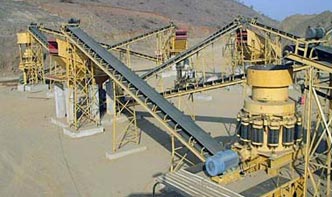
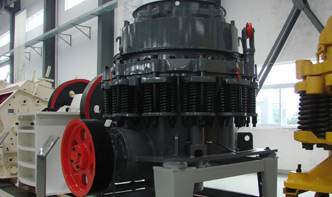
– Hardness & Abrasiveness: Measured via Bond Work Index or Mohs scale—critical for selecting crushers (jaw, cone) and grinding mills. Harder ores increase wear on equipment like vertical shaft impactors (VSIs).
– Grain Size & Liberation: Sieve analysis reveals particle distribution; finer grains may need secondary crushing or HPGRs (High-Pressure Grinding Rolls).
4. Moisture Content:
– Affects crushing efficiency and dust control in screening plants. Wet-sticky ores may require drying or specialized feeders.
Q: Can copper slag replace natural sand?
A: Yes, processed slag meets ASTM C33 gradation but requires toxicity testing due to residual metals.
Q: How does ore variability impact crusher selection?
A: Highly variable feed sizes necessitate multi-stage crushing (e.g., jaw + cone + VSI) with adjustable settings.
A Chilean operation reduced downtime by 20% after switching from gyratory crushers to modular jaw-cone systems tailored for fluctuating ore hardness (3–5 Mohs). On-site XRD analysis enabled real-time adjustments to grinding media (steel vs. ceramic balls).
By systematically comparing copper ores, operators enhance equipment longevity and product quality—key to sustaining profitability in the competitive aggregates sector.

