The Role of Impact Crusher Blow Bars in Aggregate Production
The aggregate and sand-making industry is a cornerstone of modern construction, providing essential materials for infrastructure, buildings, and roads. At the heart of this industry lies crushing equipment, with impact crushers playing a pivotal role due to their high efficiency and versatility. Among their critical components, blow bars are the primary wear parts responsible for fracturing raw materials like limestone, granite, and recycled concrete.
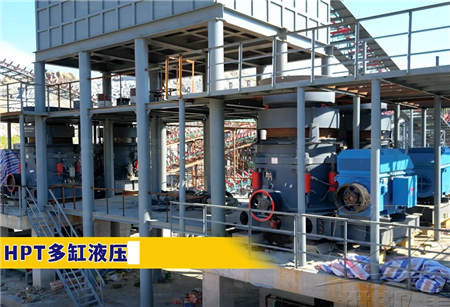
Blow bars are rugged metal attachments mounted on the rotor of an impact crusher. They strike incoming feed material at high velocity, breaking it into smaller, uniform sizes suitable for further processing or direct use. Their performance directly influences crusher productivity, product shape, and operational costs.
1. Material Selection: Premium blow bars are crafted from high-chromium alloys, martensitic steel, or ceramic composites to withstand extreme abrasion and impact. The choice depends on the application—e.g., softer materials like limestone may require different alloys than hard granite.
2. Design Optimization: Modern blow bars feature advanced geometries (e.g., curved or linear edges) to enhance crushing efficiency and reduce wear imbalances. Some designs allow reversible use to extend service life.
3. Heat Treatment: Proper quenching and tempering processes ensure hardness-toughness balance, preventing premature cracking or deformation.
Q: How often should blow bars be replaced?
A: Lifespan varies based on material hardness (e.g., 200–800 hours). Regular inspections for cracks or excessive wear are crucial.
Q: Can blow bars be recycled?
A: Yes—worn bars are often melted down to reclaim alloy metals, supporting sustainability efforts.
A granite quarry in Texas replaced standard manganese blow bars with high-chromium variants from a leading manufacturer. Result:
Selecting the right blow bar manufacturer is vital for optimizing crushing operations. Innovations in materials and design continue to push the boundaries of durability and cost-effectiveness, ensuring the aggregate industry meets growing global demands sustainably.

