The Evolution of Crushing and Sand-Making Equipment in the Aggregate Industry
The global construction boom has driven unprecedented demand for high-quality sand and aggregates. As natural sand reserves deplete, manufactured sand (M-Sand) produced by crushing and sand-making equipment has become a sustainable alternative. This shift underscores the critical role of advanced machinery like the Mini Mill Kit 5 LMS HiTorque—a compact yet powerful solution for small-to-medium-scale aggregate production.
Traditional crushing methods rely on jaw crushers, cone crushers, and impact crushers to process raw materials like granite, basalt, and limestone. However, the rise of vertical shaft impactors (VSIs) and high-torque milling systems has revolutionized sand-making efficiency. The Mini Mill Kit 5 LMS HiTorque exemplifies this innovation, combining precision grinding with energy-saving torque optimization for consistent particle size distribution—a key requirement for concrete and asphalt production.
This system integrates:
Ideal for quarries and recycling plants, it processes waste concrete, slag, and ores into reusable materials, aligning with circular economy principles.
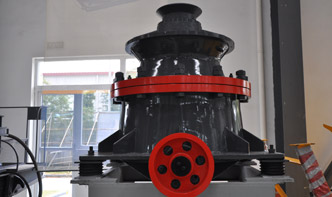
1. What’s the throughput capacity?
Typically 5–20 tons/hour, depending on material hardness and feed size.
2. How does it compare to traditional hammer mills?
The HiTorque design minimizes vibration and noise while improving energy efficiency by ~15%.
3. Can it handle wet materials?
Yes, but pre-drying is recommended to prevent clogging.
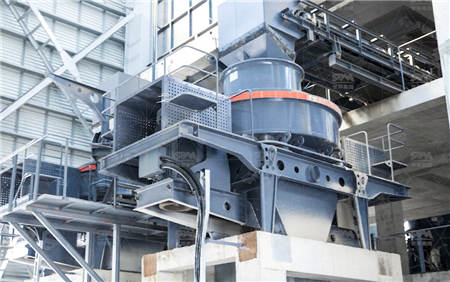
A Texas-based contractor used the Mini Mill Kit 5 LMS to repurpose demolition waste into ASTM-compliant sand for road base construction. The project achieved:
As sustainability regulations tighten, technologies like the Mini Mill Kit 5 LMS HiTorque empower producers to meet demand while minimizing environmental impact. Its versatility and efficiency make it a cornerstone of modern aggregate processing—proving that small-scale solutions can deliver outsized results.

