The Role of Ball Mills in Aggregate and Sand Production
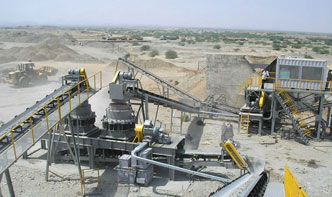
The aggregate and sand production industry relies heavily on robust grinding equipment to process raw materials into usable sizes for construction and infrastructure projects. Among these, ball mills stand out as a versatile solution for grinding ores, cement, and other hard materials into fine powders or sand-like particles.
With rapid urbanization, demand for high-quality sand and aggregates has surged. Natural sand reserves are depleting, making manufactured sand (M-Sand) a sustainable alternative. Ball mills play a pivotal role here by crushing and grinding rocks into uniformly sized particles, ensuring optimal gradation for concrete and asphalt mixes.
A ball mill operates by rotating a cylinder filled with grinding media (typically steel balls), which cascade and impact the material to reduce its size. Key components include:
While Lowe’s doesn’t sell industrial ball mills, DIY enthusiasts can source basic parts (e.g., motors, bearings) for small-scale prototypes. However, commercial operations require heavy-duty mills tailored to production needs.
1. Can a ball mill produce sand?
Yes, with controlled grinding time and media size, it can yield fine aggregates resembling M-Sand.
2. What maintenance is required?
Regular lubrication, liner inspections, and monitoring of bearing temperatures are critical.
3. How does it compare to vertical shaft impactors (VSIs)?
Ball mills offer finer grinding but consume more energy; VSIs are better for shaping coarse aggregates.
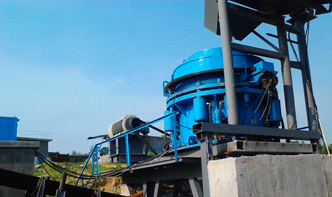
A quarry in Texas replaced its traditional crusher with a ball mill circuit to produce M-Sand for local concrete plants. By adjusting rotation speed and ball size, they achieved 30% higher yield while meeting ASTM C33 gradation standards. The project highlighted the mill’s adaptability in tailored aggregate production.
Ball mills remain indispensable in modern aggregate processing, balancing precision and scalability. While DIY builds have limitations, industrial-grade systems ensure consistent output for large-scale applications—underscoring their value in sustainable construction material production.