Hammer Mills for Grinding Peppers: A Key Solution in the Spice Processing Industry
The spice processing industry relies heavily on efficient size reduction equipment to achieve consistent particle sizes for products like ground peppers. Among the various grinding technologies, hammer mills stand out due to their versatility, high throughput, and ability to handle a wide range of materials.
Spice processing demands precision to preserve flavor, aroma, and quality. Traditional methods like mortar-and-pestle grinding are labor-intensive and unsuitable for large-scale production. Modern hammer mills offer a scalable solution, enabling uniform grinding while minimizing heat generation—critical for heat-sensitive spices like black pepper or chili.
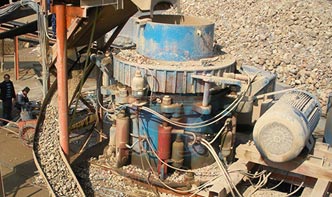
1. Robust Design: Hammer mills utilize rotating hammers to impact and shear materials against a screen, ensuring consistent particle size.
2. Adjustable Fineness: Screens with varying mesh sizes (e.g., 0.5–5 mm) allow customization for coarse or fine grinding.
3. Material Compatibility: Stainless steel construction prevents contamination and corrosion, meeting food-grade standards.
4. Low Heat Generation: Efficient airflow design reduces heat buildup, preserving volatile oils in peppers.
While ideal for peppers, hammer mills are also used in:
Q: How does a hammer mill compare to a ball mill for pepper grinding?
A: Hammer mills are faster and more energy-efficient for dry materials, while ball mills excel in wet grinding but require longer processing times.
Q: What maintenance is required?
A: Regular inspection of hammers, screens, and bearings ensures optimal performance. Food-grade lubricants should be used for spice applications.
Q: Can hammer mills handle oily or sticky peppers?
A: Yes, but pre-drying or adding anti-caking agents may be necessary to prevent clogging.
A spice manufacturer in India upgraded from manual grinding to a 15 kW hammer mill, achieving:
Hammer mills are indispensable in spice processing, offering efficiency, flexibility, and scalability. For pepper grinding specifically, their ability to balance throughput with quality makes them a preferred choice across industries. Future advancements may focus on IoT integration for real-time monitoring and automation.

