The Evolution of Rough Grinding Machines in the Aggregate Industry
The global construction boom has fueled unprecedented demand for high-quality sand and gravel aggregates. As a cornerstone of infrastructure development, the aggregate industry relies heavily on efficient crushing and grinding equipment to transform raw materials into usable products. Among these, automatic rough grinding machines have emerged as critical tools for optimizing productivity and reducing operational costs.
Sand and gravel account for over 80% of mined mineral aggregates worldwide, driven by urbanization and road construction. Traditional crushing methods often involve manual labor or semi-automated systems, leading to inconsistencies in particle size and high energy consumption. Modern automated rough grinding machines address these challenges by integrating advanced control systems, wear-resistant components, and adaptive processing capabilities.
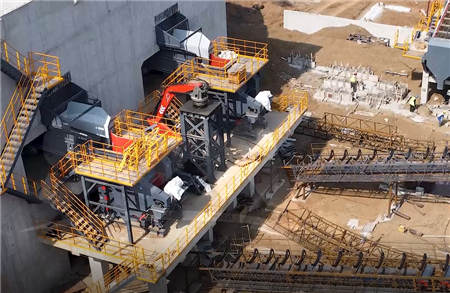
1. Intelligent Control Systems: Equipped with PLC or AI-driven automation, these machines adjust grinding parameters in real-time based on feed material hardness and desired output size.
2. High Durability: Tungsten carbide or manganese steel liners extend service life, even under abrasive conditions.
3. Energy Efficiency: Variable-frequency drives (VFDs) reduce power consumption by up to 30% compared to conventional grinders.
4. Versatility: Capable of processing diverse materials—from limestone to granite—with minimal reconfiguration.
A: Sensors monitor particle size distribution, enabling instant adjustments to rotor speed and feed rate for uniform output.
A: Regular inspection of wear parts (e.g., hammers, liners) and lubrication of bearings are essential to prevent downtime.
A: Yes, some models feature corrosion-resistant designs for processing moist or clay-rich ores.
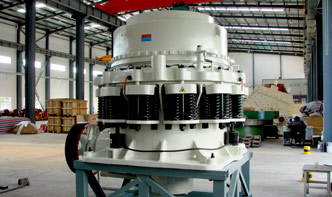
A quarry in Texas replaced its legacy jaw crusher with an automated rough grinder, achieving:
The integration of IoT-enabled predictive maintenance and hybrid power systems (solar/diesel) is set to redefine sustainability in aggregate processing. As regulations tighten on emissions and resource efficiency, automated grinding solutions will become indispensable for competitive operations.
In conclusion, automatic rough grinding machines represent a leap forward in aggregate technology—balancing precision, durability, and cost-effectiveness to meet the demands of modern construction landscapes.

