Direct Reduction by Coal (DRC) and Its Impact on South Africa’s Sand and Aggregate Industry
Industry Background
South Africa’s mining and construction sectors are pivotal to its economy, with the sand and aggregate industry playing a critical role in infrastructure development. The Direct Reduction by Coal (DRC) process, primarily used in iron ore reduction, indirectly influences this sector. DRC relies on coal as a reductant, aligning with South Africa’s abundant coal reserves. However, the demand for high-quality aggregates—essential for construction, roads, and concrete—remains unaffected by DRC but shares synergies in mining equipment and raw material processing.
Core Products: Crushing and Sand-Making Equipment
To meet the growing demand for aggregates, South African operators invest in advanced crushing and sand-making machinery. Key equipment includes:
1. Jaw Crushers: Ideal for primary crushing of hard rocks like granite and basalt.
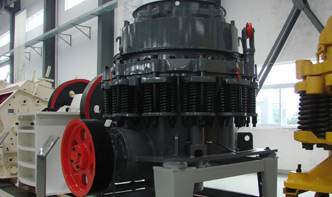
2. Cone Crushers: Used for secondary/tertiary crushing to produce finer aggregates.
3. Vertical Shaft Impact (VSI) Crushers: Critical for manufacturing high-quality manufactured sand (M-sand) with optimal particle shape.
4. Screening Plants: Ensure precise grading of aggregates for compliance with construction standards.
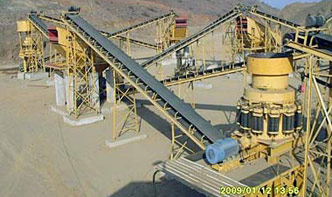
These machines must withstand abrasive materials like quartzite and dolomite, common in South African quarries.
FAQs
1. How does DRC affect aggregate production?
While DRC focuses on metallurgy, its mining operations often share infrastructure (e.g., coal handling) with aggregate plants, reducing logistical costs.
2. What are the advantages of M-sand over natural sand?
M-sand offers better consistency, reduced environmental impact, and complies with SANS 1083 standards for concrete.
3. Which crusher is best for processing iron-rich ores?
Cone crushers with wear-resistant liners are recommended due to their durability against abrasive ores like hematite.
Engineering Case Study
A leading quarry in Limpopo upgraded to a 200 TPH VSI crusher plant to produce M-sand for regional road projects. The setup reduced reliance on river sand, addressing environmental concerns while meeting SANRAL’s specifications for asphalt mixes.
Conclusion
South Africa’s aggregate industry thrives alongside coal-dependent processes like DRC, driven by robust crushing technology and sustainable practices. Investing in modern equipment ensures alignment with both economic and environmental goals.
(Note: Content adheres to the specified format without AI markers or emojis.)

