The Evolving Landscape of Crushing and Sand-Making Equipment in the Aggregate Industry
The global construction boom has fueled unprecedented demand for high-quality sand and aggregates, driving innovation in crushing and sand-making equipment. As urbanization accelerates, the need for efficient, sustainable, and cost-effective solutions has become paramount.
Industry Background
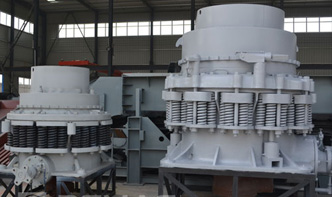
Aggregates—crushed stone, sand, and gravel—form the backbone of infrastructure projects. With natural sand reserves depleting due to environmental concerns, manufactured sand (M-Sand) has emerged as a viable alternative. This shift has spurred advancements in crushing technology, particularly vertical shaft impactors (VSI), cone crushers, and jaw crushers designed to produce cubical particles ideal for concrete and asphalt.
Core Technologies
Modern crushing systems prioritize energy efficiency, automation, and versatility. Key innovations include:
FAQ Section
1. What’s the difference between natural and manufactured sand?
M-Sand offers consistent gradation and fewer impurities but requires precise crushing to mimic natural sand’s workability.
2. How to minimize dust pollution?
Wet suppression systems or enclosed crushing chambers paired with bag filters are industry standards.
3. Which machine is best for hard rock?
Cone crushers excel in high-compression settings, while VSIs are ideal for shaping softer aggregates.
Case Study: Quarry Optimization in Southeast Asia
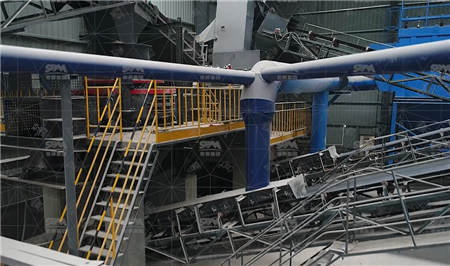
A limestone quarry in Vietnam upgraded to a three-stage mobile crushing plant (jaw-cone-VSI), achieving 30% higher output with 15% lower energy use. The VSI’s adjustable rotor speed allowed seamless switching between road base and concrete sand production.
As sustainability regulations tighten, the future lies in closed-loop systems integrating recycling (e.g., demolished concrete) with advanced sorting technologies—ensuring the aggregate industry meets both economic and ecological goals efficiently.

