The Impact of Illegal Stone Crushing and the Rise of Sustainable Solutions
The global construction industry relies heavily on aggregates, with crushed stone being a fundamental component. However, illegal stone crushing operations pose severe environmental, economic, and social challenges. These unregulated activities often bypass permits, safety standards, and environmental protections, leading to deforestation, air and water pollution, and community health risks.
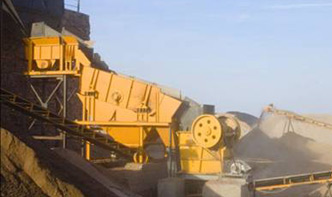
Legal stone crushing involves regulated extraction and processing using specialized equipment like jaw crushers, cone crushers, and vertical shaft impactors (VSIs). These machines ensure efficient size reduction while minimizing dust emissions and noise. In contrast, illegal operations typically use outdated machinery or manual methods, exacerbating environmental degradation.
To combat illegal practices, governments and corporations are investing in sustainable crushing technologies:
1. Why is illegal stone crushing harmful?
It causes irreversible ecological damage, unsafe labor conditions, and revenue loss for governments due to tax evasion.
2. How can legal operations be encouraged?
Stricter enforcement, subsidies for compliant operators, and public awareness campaigns are critical.
3. What are the benefits of mobile crushers?
They reduce the need for multiple transport stages, lowering costs and carbon footprints while improving traceability.
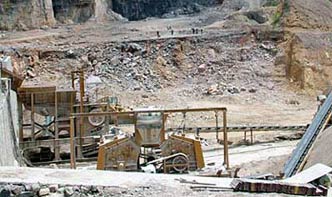
In Rajasthan, authorities partnered with equipment manufacturers to replace illegal crushers with permitted mobile units equipped with pollution controls. This initiative reduced dust emissions by 60% while increasing local employment in regulated facilities.
Transitioning to legal stone crushing supported by advanced machinery ensures sustainable growth in the aggregates sector. Policymakers must balance enforcement with incentives to foster compliance while protecting ecosystems and communities.

