The Freehold Quarry Royalties Landscape in Australia: A Focus on Crushing and Sand Making Equipment
Australia’s quarrying sector is a cornerstone of its construction and infrastructure industries, driven by robust demand for aggregates, sand, and crushed stone. Freehold quarry royalties—where landowners lease mineral rights to operators—play a pivotal role in sustaining production. Central to this process are advanced crushing and sand-making equipment, which transform raw materials into high-quality construction-grade aggregates.
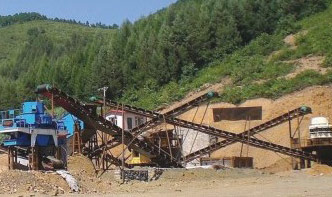
Australia’s quarry industry thrives on abundant natural resources, with operations spanning hard rock quarries, sand pits, and gravel extraction sites. Key markets include urban development, road construction, and mining infrastructure. Regulatory frameworks ensure sustainable extraction, emphasizing land rehabilitation and royalty agreements that benefit both landowners (freeholders) and operators.
1. Jaw Crushers: Primary crushing units for hard rock (e.g., granite, basalt), offering high throughput and durability.
2. Cone Crushers: Secondary/Tertiary crushers producing finely graded aggregates for asphalt and concrete.
3. Vertical Shaft Impactors (VSI): Critical for manufactured sand (M-sand), shaping cubical particles ideal for high-strength concrete.
4. Mobile Crushers: Track-mounted systems enable on-site processing, reducing transport costs in remote quarries.
Q: How are freehold royalties calculated?
A: Royalties are often tiered—e.g., $X per tonne sold or % of gross revenue—adjusted for material type (e.g., premium for specialized sands).
Q: What’s the lifespan of crushing equipment?
A: With proper maintenance, primary crushers last 15–20 years; wear parts (liners, blow bars) require regular replacement.
Q: Can mobile crushers replace fixed plants?
A: Yes, for short-term projects or scattered deposits, but fixed plants offer higher efficiency for large-scale operations.
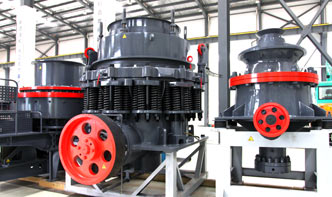
A freehold quarry in Queensland upgraded to a VSI-based sand plant, boosting M-sand output by 30%. The royalty agreement included a volume-linked clause, ensuring shared benefits from increased production.
Australia’s quarry sector relies on cutting-edge crushing technology to meet infrastructure demands while navigating royalty frameworks. Operators investing in efficient equipment can optimize returns under freehold agreements—balancing productivity with environmental stewardship.

