Dry Raw Mill Shell Construction in Cement and Aggregate Industries
The construction of a dry raw mill shell is a critical process in cement manufacturing and aggregate processing, where raw materials like limestone, clay, and shale are ground into fine powder for further processing. This equipment plays a pivotal role in ensuring operational efficiency, durability, and energy savings in modern grinding circuits.
Dry raw mills are widely used in cement plants and mineral processing facilities due to their ability to handle high-capacity grinding with low moisture content. Unlike wet mills, dry grinding reduces energy consumption and eliminates the need for slurry handling. The mill shell, as the primary structural component, must withstand heavy loads, abrasion, and thermal stresses.
1. Material Selection: High-quality steel alloys (e.g., ASTM A516 or equivalent) are used for shell fabrication to resist wear and mechanical stress. Internal liners (e.g., manganese steel or ceramic) protect against abrasive materials.
2. Modular Assembly: Large shells are often segmented for ease of transportation and on-site assembly. Flanged connections ensure structural integrity under dynamic loads.
3. Thermal Expansion Management: Expansion joints or sliding supports accommodate thermal deformation during operation to prevent cracking or misalignment.
4. Drive System Integration: The shell is designed to align with girth gears, pinions, and bearings for smooth rotation at controlled speeds (typically 15–25 RPM).
Q: How does shell thickness impact mill performance?
A: Thicker shells enhance durability but increase weight and cost; optimal thickness balances wear resistance with operational efficiency (~50–100 mm depending on diameter).
Q: What maintenance practices extend shell lifespan?
A: Regular inspection of liners, weld seams, and lubrication systems prevents premature failure. Laser alignment checks are recommended annually.
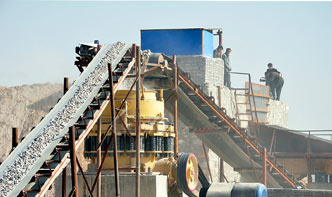
A Southeast Asian cement plant upgraded its aging raw mill with a custom-designed shell featuring reinforced welds and composite liners. Post-installation, throughput increased by 12%, while maintenance downtime dropped by 30%. The project highlighted the importance of tailored design for abrasive material processing.
The dry raw mill shell is a cornerstone of efficient grinding systems in cement and aggregate production. Advances in materials science and modular construction continue to drive reliability and sustainability in this field, aligning with global trends toward energy-efficient mineral processing solutions.

