Crusher Machine Manufacturers in Pakistan: Driving Growth in the Aggregate Industry
Industry Background
Pakistan’s construction and infrastructure sectors are experiencing rapid growth, fueled by urbanization and government initiatives like CPEC (China-Pakistan Economic Corridor). This surge has increased demand for high-quality aggregates, sand, and crushed stone, making crusher machines indispensable. Crusher manufacturers in Pakistan play a pivotal role by supplying equipment tailored to local mining and quarrying conditions.
Core Products and Technologies
Leading manufacturers produce a range of crushers, including:
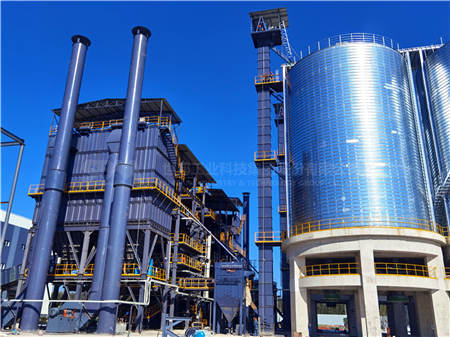
Modern crushers incorporate automation (e.g., hydraulic adjustments, IoT-based monitoring) to enhance productivity and reduce downtime. Local manufacturers often adapt designs to withstand Pakistan’s rugged terrains and power fluctuations.
Key Considerations When Choosing a Manufacturer
1. After-Sales Support: Availability of spare parts and maintenance services.
2. Customization: Ability to modify crushers for specific materials (e.g., river gravel vs. mountain rock).
3. Compliance: Adherence to international standards (ISO, CE) ensures reliability.
FAQ Section
Q: What’s the average lifespan of a crusher in Pakistan’s climate?
A: With proper maintenance, 8–12 years, though abrasive materials may reduce this timeframe.
Q: s handle wet or sticky materials?
A: Yes, but specialized designs (e.g., non-clogging chambers) are recommended to prevent blockages.
Q: Are mobile crushers viable for small-scale projects?
A: Absolutely—compact mobile units reduce transportation costs for remote sites.
Project Case Study
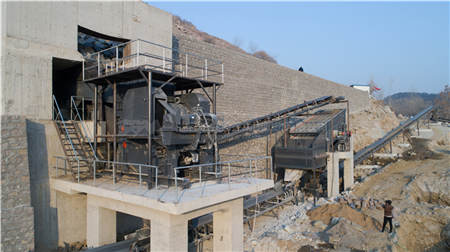
A quarry in Punjab upgraded to a locally manufactured 200 TPH jaw-cone crusher plant, achieving 30% higher output while cutting fuel costs by integrating hybrid power solutions. The project underscored the importance of partnering with manufacturers offering turnkey installations.
Conclusion
Pakistani crusher manufacturers are bridging the gap between global technology and local operational needs. By prioritizing durability, efficiency, and adaptability, they empower the aggregate industry to meet infrastructure demands sustainably—without compromising quality or cost-effectiveness.