The Growing Demand for Portable Mini Rock Crushers in the Aggregate Industry
The aggregate and sand production industry plays a crucial role in global infrastructure development. With urbanization and construction projects on the rise, the demand for high-quality crushed stone, gravel, and sand continues to grow. Traditional stationary crushing plants dominate large-scale operations, but portable mini rock crushers have emerged as a game-changer for small to medium-sized projects, recycling applications, and remote job sites.
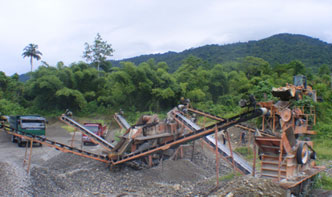
Portable mini rock crushers are compact, mobile units designed to process hard rocks, concrete, and demolition waste efficiently. Their key advantages include:
These crushers typically use jaw or impact crushing mechanisms and can be powered by diesel engines or electric motors, making them adaptable to various working conditions.
1. What materials can they crush?
Most models handle granite, basalt, limestone, concrete, and asphalt. Some specialized units process bricks or recycled aggregates.
2. What is the typical output size?
Adjustable settings allow outputs ranging from 10mm to 50mm, depending on the application (e.g., road base or concrete mix).
3. How much does a portable mini crusher cost?
Prices vary ($20K–$100K) based on capacity, power source, and features like remote control or dust suppression systems.
4. Can they be used in urban areas?
Yes—noise-reduced models with dust collectors comply with urban environmental regulations.
Portable mini rock crushers offer flexibility and efficiency for modern aggregate production needs—whether for small quarries or sustainable recycling projects—making them indispensable tools in today’s evolving construction landscape.

