Gypsum Production Plant Price in New Delhi: A Comprehensive Guide to Crushing and Sand-Making Equipment
The construction and infrastructure boom in India has fueled the demand for high-quality gypsum, sand, and aggregates. As a key material for cement production and interior finishes, gypsum requires efficient processing through specialized crushing and sand-making equipment. In New Delhi, the pricing of gypsum production plants varies based on capacity, technology, and automation levels.
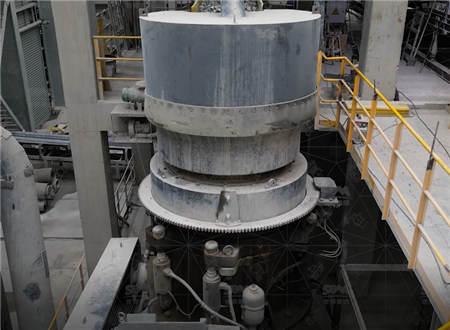
Gypsum processing involves primary crushing, grinding, calcination, and packaging. For construction-grade gypsum, crushers like jaw crushers or hammer mills are used to reduce raw gypsum rocks into smaller particles. Sand-making equipment (e.g., VSI crushers) further refines the material for applications in drywall or cement additives.
1. Crushing Equipment:
– Jaw Crusher: Ideal for primary crushing; prices range from $15,000 to $50,000 depending on capacity (50–500 TPH).
– Hammer Crusher: Suitable for secondary crushing; costs between $10,000 and $40,000.
2. Sand-Making Equipment:
– VSI Crusher: Produces finely graded gypsum sand; priced at $30,000–$100,000.
– Ball Mill: For ultra-fine grinding; starts at $20,000.
3. Auxiliary Systems:
– Dust collectors ($5,000–$20,000) and conveyor belts ($2,000–$10,000) add to the total plant cost.
In New Delhi, a mid-capacity gypsum production plant (100 TPH) may cost between $200,000 and $500,000, including installation.
Q1: What’s the ROI for a gypsum plant in India?
A: With rising demand in construction, ROI typically spans 2–4 years for well-managed plants.
Q2: How to choose between hammer and jaw crushers?
A: Jaw crushers handle larger raw rocks; hammer crushers are better for softer or pre-crushed materials.
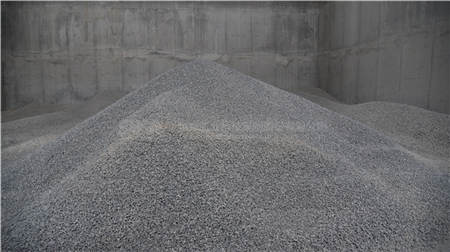
A local firm installed a 200 TPH plant with a jaw crusher + VSI combo for $450,000. The plant achieved 95% material utilization by integrating dust recycling systems—showcasing how automation improves efficiency.
Investing in a gypsum production plant requires balancing upfront costs with long-term operational efficiency. Partnering with experienced equipment suppliers ensures optimal technology selection for New Delhi’s dynamic market conditions.

