Best Practices in Coal Transshipment and the Role of Crushing Equipment
The coal mining and transshipment industry relies heavily on efficient material handling systems to ensure seamless operations from extraction to final delivery. A critical component of this process is the use of crushing and screening equipment, which prepares coal for transportation while minimizing degradation and dust generation.
Coal transshipment involves transferring coal between modes of transport (e.g., trucks, conveyors, ships) at ports or rail terminals. Given coal’s abrasive nature and varying sizes, robust crushing systems are essential to achieve uniform particle sizes, reduce fines, and improve handling efficiency.
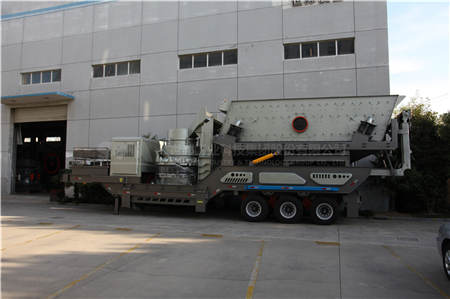
1. Primary Crushers: Jaw crushers or gyratory crushers break down large coal chunks into manageable sizes (~6–8 inches).
2. Secondary Crushers: Cone crushers or impact crushers further reduce coal to ~1–2 inches for optimal conveyor transport.
3. Screening Systems: Vibrating screens separate oversized material for re-crushing, ensuring consistency.
4. Dust Suppression: Spray systems or enclosed conveyors mitigate airborne dust, a major concern in transshipment hubs.
Q: How does crushing impact coal quality?
A: Over-crushing generates excess fines, reducing market value. Proper calibration ensures optimal size distribution.
Q: What are common challenges in coal transshipment?
A: Dust control, equipment wear, and throughput bottlenecks are key issues addressed through automated systems and modular designs.
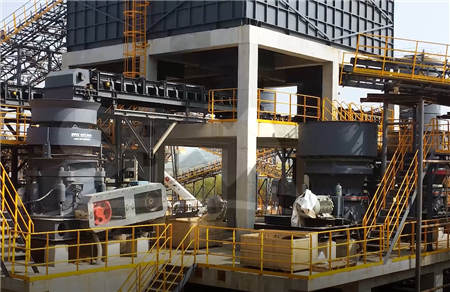
A major Australian port upgraded its coal terminal with tertiary crushing units and automated screening, increasing throughput by 20% while reducing dust emissions by 35%. The system’s flexibility allowed quick adaptation to varying coal grades.
Efficient coal transshipment hinges on selecting the right crushing technology and adhering to operational best practices. Investing in durable equipment and proactive maintenance ensures long-term productivity while meeting environmental standards.

