Optimizing Performance: Lubricants for Cone Crushers in Aggregate Production
The aggregate and sand production industry relies heavily on cone crushers for efficient size reduction of hard rocks and ores. Proper lubrication is critical to ensuring equipment longevity, minimizing downtime, and maintaining optimal crushing performance.
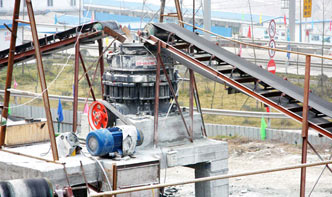
Cone crushers operate under extreme mechanical stress, generating heat and friction during the crushing process. Inadequate lubrication accelerates wear on key components like bearings, gears, and eccentric assemblies, leading to costly repairs. The right lubricant selection directly impacts operational efficiency, especially in high-capacity crushing plants producing construction aggregates or mining materials.
1. High-Temperature Stability: Cone crushers generate significant heat; lubricants must resist thermal breakdown (e.g., synthetic oils with high viscosity index).
2. Extreme Pressure (EP) Additives: Protects metal surfaces under heavy loads (e.g., sulfur-phosphorus compounds).
3. Oxidation Resistance: Prolongs oil life in dusty environments common in quarries.
4. Seal Compatibility: Prevents leaks while maintaining flexibility in rubber seals.
Common lubricant types include ISO VG 150–320 mineral or synthetic oils, with some applications requiring grease for specific components.
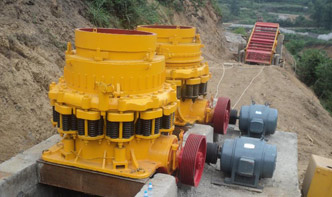
A: Follow OEM guidelines (typically 500–1,000 hours), but monitor oil analysis for contamination or viscosity loss.
A: Yes—insufficient lubrication leads to bearing seizure; over-lubrication risks overheating and seal damage.
A: Biodegradable synthetics exist but may require more frequent changes due to lower thermal stability.
A granite quarry in Texas reduced unscheduled downtime by 30% after switching to a premium synthetic lubricant with enhanced EP properties. Previously, frequent bearing failures occurred due to oil degradation under high loads. Post-implementation, oil sampling intervals extended by 200 hours, cutting maintenance costs significantly.
Selecting the right lubricant tailored to operating conditions—whether for a mobile cone crusher in a sand pit or a stationary unit in a limestone quarry—is a cost-effective strategy to maximize equipment lifespan and productivity in the aggregates sector. Regular maintenance and oil analysis remain indispensable for proactive failure prevention.

