Optimizing Grinding Circuits in Copper Mountain Mining: A Focus on Crushing and Aggregate Equipment
The mining and aggregate industry relies heavily on efficient grinding circuits to process raw materials into usable products. In copper mining, such as at Copper Mountain, the grinding circuit is critical for liberating valuable minerals from ore. This process involves crushing, grinding, and classification to achieve the desired particle size for downstream processing.
Copper Mountain and similar operations depend on robust crushing and grinding equipment to handle abrasive ores. The primary stages include:
1. Primary Crushing: Jaw or gyratory crushers reduce large ore chunks to manageable sizes (~150–200 mm).
2. Secondary/Tertiary Crushing: Cone crushers further reduce material to ~25 mm before feeding into grinding mills.
3. Grinding: Ball mills or SAG mills pulverize ore into fine particles (<100 microns) for flotation.
Efficiency hinges on equipment selection, circuit design, and maintenance practices.
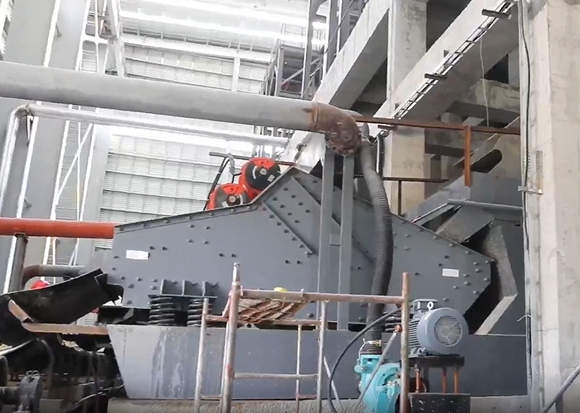
Q: How does ore hardness affect grinding circuit design?
A: Harder ores require more energy-intensive grinding, often necessitating SAG mills with higher power draw or staged crushing.
Q: What are common challenges in copper grinding circuits?
A: Wear on liners/media, overgrinding (slimes generation), and fluctuating ore grades demand adaptive control systems.
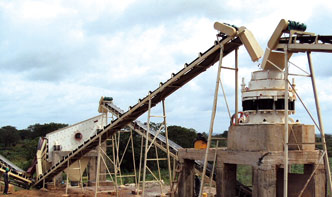
At Copper Mountain’s New Ingerbelle site, a retrofit of the grinding circuit with high-pressure grinding rolls (HPGR) improved energy efficiency by 20% while maintaining throughput. HPGRs pre-crush feed to reduce ball mill workload, lowering operational costs.
Optimizing grinding circuits requires balancing equipment performance, energy use, and maintenance strategies. Innovations like HPGRs and smart control systems are reshaping copper mining efficiency—lessons applicable across aggregate processing industries seeking sustainability and cost savings.

