Optimizing Cone Crusher Performance: A Guide to Counterweight Setup
The aggregates and sand production industry relies heavily on cone crushers for efficient size reduction of hard and abrasive materials. Proper counterweight configuration is critical to ensuring smooth operation, minimizing wear, and maximizing crusher lifespan.
Cone crushers are a cornerstone of modern mineral processing and quarrying operations. They excel in secondary and tertiary crushing stages, producing uniformly shaped aggregates essential for construction and infrastructure projects. However, unbalanced forces caused by eccentric movement can lead to excessive vibration, reduced efficiency, and premature component failure—making counterweight adjustment a vital maintenance task.
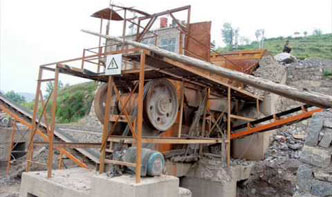
The counterweight in a cone crusher offsets the eccentric motion of the main shaft, stabilizing the crushing chamber’s rotation. Key considerations include:
1. Dynamic Balancing – The counterweight must compensate for the centrifugal force generated by the rotating mantle. Manufacturers provide specifications based on crusher model and operating conditions.
2. Adjustment Mechanism – Most cone crushers feature adjustable counterweights (bolted or threaded) to fine-tune balance during operation.
3. Material Compatibility – Counterweights are typically cast iron or steel alloys designed to withstand high inertia forces without deformation.
1. Initial Inspection – Check for worn bushings, bearings, or misalignment before adjusting counterweights.
2. Manufacturer Guidelines – Follow OEM-recommended settings for weight distribution based on feed size and crushing parameters.
3. Trial Operation – Run the crusher empty to observe vibrations; use accelerometers if available for precision balancing.
4. Fine-Tuning – Incrementally adjust counterweights until vibration levels fall within acceptable thresholds (typically <5 mm/s RMS).
A: During routine maintenance (every 200–400 operating hours) or after significant liner changes.
A: Yes—excessive vibration accelerates bearing wear and may lead to catastrophic breakdowns.
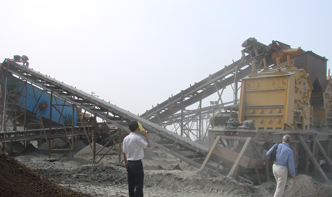
A quarry in Texas reported recurring downtime due to cone crusher vibration issues. After recalibrating the counterweights per OEM specs and replacing worn eccentric bushings, vibration dropped by 40%, extending bearing life by six months and boosting throughput by 15%.
Precise counterweight setup is non-negotiable for optimal cone crusher performance. Regular monitoring paired with adherence to engineering standards ensures operational reliability in demanding aggregate production environments.

