The Critical Role of Crushing and Sand-Making Equipment in the Aggregates Industry
The global construction boom has fueled unprecedented demand for high-quality sand and aggregates. As urbanization accelerates, the aggregates industry faces mounting pressure to deliver durable, sustainably sourced materials. Central to this process are crushing and sand-making machines, which transform raw ore and rock into precisely graded construction materials like magnesium chloride-derived aggregates.
Industry Background
Aggregates form the backbone of infrastructure, constituting 70-80% of concrete volume. With natural sand reserves depleting, manufactured sand (M-Sand) produced by crushing granite, basalt, or limestone has emerged as a viable alternative. Modern equipment must balance output efficiency with environmental compliance, adhering to stricter dust and noise regulations.
Core Equipment Breakdown
1. Jaw Crushers: Primary crushers handle large ore/rock fragments (>1m), reducing them to 150-300mm via compressive force. Ideal for hard materials like basalt.
2. Cone Crushers: Secondary/Tertiary stages further crush material to 20-40mm using gyrating mantles. Essential for producing uniform cubical aggregates.
3. Vertical Shaft Impactors (VSI): Key for sand-making, VSIs employ high-speed rotors to shape particles into rounded M-Sand (0-5mm), critical for concrete workability.
4. Screening Systems: Multi-deck vibratory screens segregate aggregates by size (e.g., 0-5mm sand, 5-20mm coarse aggregate).
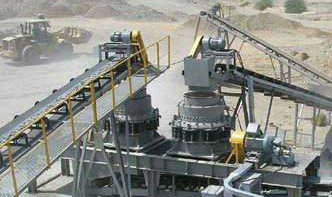
Engineering Case Study: Magnesium Chloride Processing
A project in Nevada processed magnesium ore into MgCl₂ for industrial use:
FAQ Section
Q: s handle wet ore?
A: Yes, but moisture >5% may require pre-screening or apron feeders to prevent clogging.
Q: How is dust controlled?
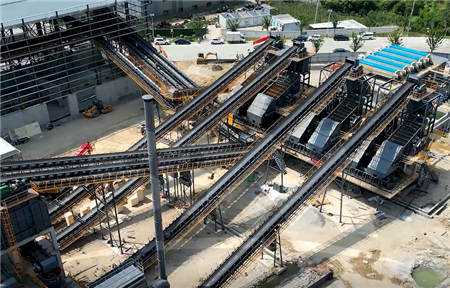
A: Modern plants integrate water sprays, bag filters, and enclosed conveyor systems to meet PM10 standards.
Q: Lifespan of wear parts?
A: VSI rotor tips last ~120 hours in abrasive ores; manganese jaw plates endure ~450 hours—regular maintenance is key.
The evolution of crushing technology continues to prioritize energy efficiency (e.g., hybrid drives) and automation (AI-powered gap adjustment). As projects like magnesium chloride extraction demonstrate, tailored solutions unlock both economic and sustainability gains—proving that innovation in aggregates machinery remains foundational to global development.

