The Importance of Preventive Maintenance for Cone Crushers in the Aggregate Industry
The aggregate industry plays a critical role in construction, infrastructure, and mining sectors by producing essential materials like sand, gravel, and crushed stone. Cone crushers are vital equipment in this process, offering high efficiency and fine crushing capabilities. However, their performance heavily depends on proper preventive maintenance to minimize downtime and extend service life.
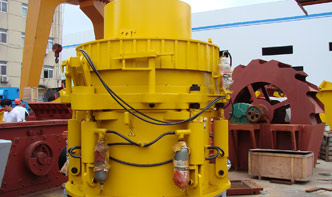
A cone crusher consists of several key components:
1. Main Frame & Bowl Assembly: Regular inspections for cracks or wear ensure structural integrity.
2. Mantle & Concave: These wear parts must be monitored and replaced before excessive wear affects product gradation.
3. Eccentric Assembly: Lubrication checks prevent overheating and bearing failures.
4. Hydraulic System: Pressure tests and fluid cleanliness are crucial to avoid operational disruptions.
Q: How often should cone crusher liners be replaced?
A: Depending on abrasiveness of material, typically every 500–1,000 operating hours.
Q: What causes premature bearing failure?
A: Contaminated lubrication or misalignment are primary culprits—ensure proper sealing and grease quality.
A quarry in Texas reduced unplanned downtime by 30% after implementing a strict preventive maintenance schedule for their cone crushers. By tracking liner wear trends and optimizing lubrication intervals, they achieved consistent production output with lower operating costs.
Proactive maintenance not only enhances cone crusher reliability but also improves profitability by reducing repair costs and maximizing uptime. Investing in trained personnel and condition monitoring tools is essential for long-term success in the aggregate industry.

